
12 week half marathon training plan pdf intermediate
Embark on a focused 12-week journey! This intermediate plan, often available as a PDF, prepares runners aiming to improve times or conquer their first half marathon.
Garmin provides a structured program, while HalHigdon.com offers updates and advice, ensuring a comprehensive approach to half marathon training.
Who is this plan for?
This 12-week intermediate half marathon training plan is specifically designed for runners who already possess a solid running base and some prior race experience. It caters to individuals who have potentially completed a half marathon before and are looking to enhance their performance, or those with good overall fitness who regularly run.
The plan is ideal for those comfortable with consistent weekly mileage and seeking a structured approach to improve their time. It’s not for beginners, but rather those ready to increase intensity and endurance. Runners should be prepared for three running days a week, supplemented with cross-training, and understand the importance of rest and recovery. This program aims to help you achieve a personal best!
Prerequisites: Running Base & Experience
Before diving into this 12-week intermediate plan, a foundational running base is crucial. You should comfortably run at least 30 miles per week consistently. A key indicator is the ability to complete a 5k in approximately 22:30 or a 10k in around 47 minutes, demonstrating existing speed and endurance.
Prior half marathon experience isn’t strictly mandatory, but highly beneficial. Familiarity with race-day logistics and pacing strategies will prove invaluable. This plan isn’t designed to build a base from scratch; it assumes you’re already a regular runner. Ensure you’re injury-free and accustomed to regular training before commencing.
Importance of a PDF Format
A PDF format offers significant advantages for a 12-week half marathon training plan. It ensures consistent formatting across all devices – computers, tablets, and smartphones – preventing layout issues during viewing or printing. PDFs are easily downloadable and portable, allowing access anytime, anywhere, even offline.
Furthermore, a PDF safeguards the plan’s integrity, preventing accidental edits or alterations to the schedule. This is vital for maintaining the structured progression of the training. Many resources, like Garmin, provide plans in PDF, offering a readily available and reliable training companion.

Understanding Intermediate Runner Profile
Intermediate runners possess a running base and prior experience. They’ve likely completed a half marathon or consistently run 5k/10k races, seeking improvement.
Current Weekly Mileage
Establishing a baseline is crucial; An intermediate half marathon runner typically manages 30 miles per week consistently. This demonstrates a solid foundation for increased training demands.
Before starting the 12-week plan, assess your current mileage honestly. If you’re below this level, consider a shorter build-up phase to avoid injury. The PDF training plans often assume this existing mileage, progressively increasing it over the weeks.
Gradual increases are key – avoid jumps exceeding 10% per week. Consistent running at this mileage indicates your body is prepared for the intensity and duration required for successful half marathon preparation.
5k and 10k Pace Goals
Pace goals provide benchmarks for training intensity. For an intermediate runner targeting a half marathon, a 5k time of 22:30 or faster is a good indicator. Similarly, completing a 10k in under 47:00 suggests sufficient speed endurance.
These times aren’t strict requirements, but they help gauge your current fitness level. The PDF training plans will incorporate workouts designed to improve these paces. Interval training, in particular, will focus on boosting speed, while tempo runs enhance lactate threshold.
Knowing your current paces allows for realistic goal setting and personalized adjustments to the training schedule.
Previous Half Marathon Experience
Prior experience significantly shapes training needs. This intermediate 12-week plan suits runners who’ve completed a half marathon before and aim to improve their personal best (PB). It’s also suitable for those with good overall fitness, even without prior half marathon attempts.
Having raced the distance provides familiarity with pacing, fueling, and the mental challenges. The PDF plan will build upon this foundation, increasing mileage and intensity strategically.
If you’re new to the half marathon, focus on consistent training and injury prevention. Listen to your body and adjust the plan as needed, prioritizing completion over speed initially.
Key Components of the Training Plan
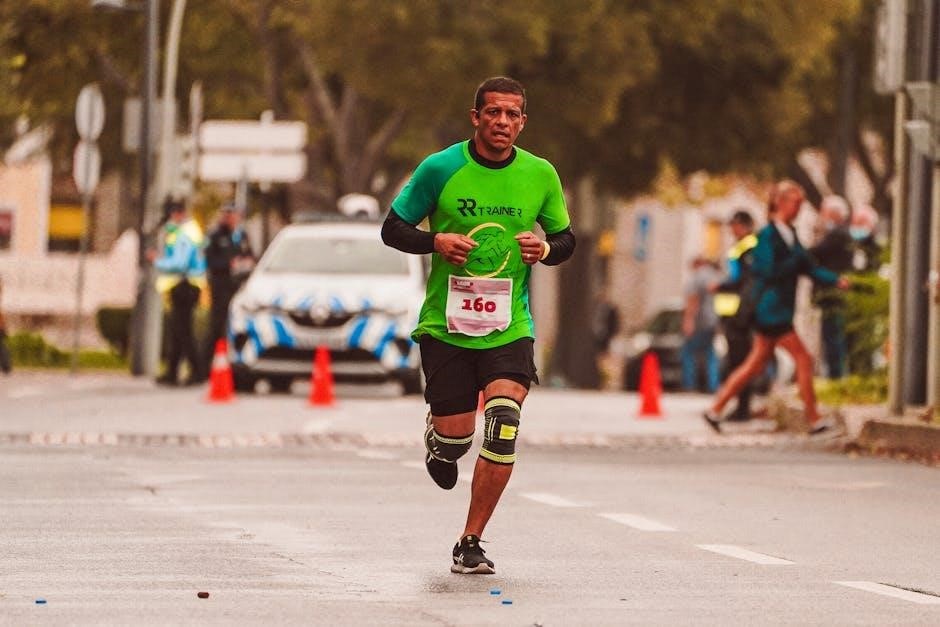
Core elements include long runs for endurance, tempo runs to boost lactate threshold, and interval training for speed. These build a robust intermediate program.
Long Runs: Building Endurance

Long runs are the cornerstone of any successful half marathon training plan, particularly for intermediate runners. These progressively increase in distance each week, building crucial cardiovascular endurance and muscular stamina.
The PDF training plans emphasize gradually extending the long run, preparing your body for the demands of 13.1 miles. Expect to start with a manageable distance and incrementally add mileage, typically increasing by no more than 10% each week.
These runs aren’t about speed; they’re about time on your feet. Practicing fueling and hydration during long runs is vital, simulating race-day conditions. Consistent long runs build confidence and prepare you physically and mentally for the half marathon distance.
Tempo Runs: Improving Lactate Threshold
Tempo runs are a critical component of an intermediate half marathon training plan, designed to elevate your lactate threshold – the point at which lactic acid accumulates rapidly in your muscles.
These sustained efforts, typically 20-40 minutes at a comfortably hard pace, teach your body to clear lactate more efficiently, allowing you to run faster for longer. PDF training schedules will incorporate tempo runs weekly, often following an easy warm-up and cool-down.
Focus on maintaining a consistent, challenging pace. Tempo runs aren’t all-out sprints, but they shouldn’t feel easy either. Regular tempo work significantly improves running economy and race performance.
Interval Training: Boosting Speed
Interval training is a cornerstone of any effective 12-week half marathon plan, particularly for intermediate runners seeking to enhance speed and running efficiency. These workouts involve alternating between high-intensity bursts and recovery periods.
A typical interval session, detailed in many PDF training guides, might consist of 6-8 repetitions of 400m or 800m runs at a fast pace, followed by equal or slightly longer recovery jogs. This improves VO2 max and leg speed.
Intervals build cardiovascular fitness and teach your body to handle faster paces. Remember proper warm-up and cool-down are essential for injury prevention during these demanding sessions.

Weekly Schedule Breakdown
Intermediate plans commonly feature three running days per week, complemented by cross-training and crucial rest. PDF schedules detail specific workouts for optimal progression.
Garmin’s training emphasizes structured weeks, balancing intensity with recovery for peak performance.
Typical Weekly Structure (3 Running Days)
A standard intermediate 12-week half marathon plan, often found as a downloadable PDF, centers around three dedicated running days. These aren’t just any runs; they’re strategically designed to build endurance, speed, and lactate threshold. Expect one long run, progressively increasing in distance each week to prepare your body for the 13.1-mile challenge.
Another day will typically focus on tempo runs – sustained efforts at a comfortably hard pace – improving your ability to maintain speed over longer distances. The third running day often incorporates interval training, short bursts of fast running interspersed with recovery periods, boosting your overall speed and efficiency.
Remember, these plans emphasize listening to your body; don’t hesitate to adjust if feeling overly fatigued or experiencing pain. Cross-training and rest days are equally vital components of a successful training cycle.
Cross-Training Integration
A well-rounded 12-week half marathon training plan, frequently available as a PDF, smartly incorporates cross-training. This isn’t about replacing running, but supplementing it to build overall fitness and prevent overuse injuries. Activities like elliptical training are excellent alternatives when feeling achy or needing a break from the impact of running.
Cross-training maintains cardiovascular fitness without stressing the same muscles, aiding recovery and reducing the risk of common running injuries. Swimming, cycling, and strength training are also beneficial additions.
Intermediate plans often suggest 1-2 cross-training sessions per week, strategically placed on recovery days or alongside shorter runs. Remember to prioritize activities you enjoy to stay motivated and consistent throughout your training journey.
Rest and Recovery Days
Crucially, a successful 12-week half marathon training plan – often found as a downloadable PDF – prioritizes rest and recovery; These aren’t days “off” from progress, but integral components of progress. Ignoring them significantly increases injury risk and hinders adaptation.
Intermediate plans typically include at least one full rest day per week, alongside easier running days. Listen to your body; if feeling overly tired or experiencing aches, don’t hesitate to take an extra day or modify the schedule.
Prioritize sleep, proper nutrition, and active recovery techniques like gentle stretching or foam rolling. Recovery is when your body repairs and rebuilds, becoming stronger and more resilient for the next challenging workout.

Detailed 12-Week Training Schedule
A typical intermediate PDF plan structures training into phases: building a base (Weeks 1-4), increasing intensity (Weeks 5-8), and tapering for race day (Weeks 9-12).
Weeks 1-4: Building a Solid Foundation
These initial weeks prioritize establishing a robust running base. An intermediate PDF plan will likely emphasize consistent, shorter runs, gradually increasing weekly mileage. Expect three running days per week, complemented by cross-training. Focus on easy-paced runs to build endurance without excessive strain.
Garmin’s intermediate schedule incorporates cross-training, aiding recovery and preventing injury. This phase isn’t about speed; it’s about comfortably increasing time on your feet. Listen to your body, and don’t hesitate to adjust the plan if needed. Prioritize consistency over intensity during these foundational weeks, preparing you for more demanding workouts ahead.
Weeks 5-8: Increasing Mileage & Intensity
This phase marks a deliberate escalation in training demands. The intermediate PDF plan introduces longer runs and incorporates tempo runs to improve your lactate threshold. Expect a gradual increase in weekly mileage, pushing your endurance further. Interval training may also be introduced, boosting speed and efficiency.
Garmin’s schedule during these weeks will likely feature a blend of easy runs, tempo work, and a progressively lengthening long run. Pay close attention to recovery, as the increased intensity demands more from your body. Continue cross-training to support recovery and prevent injury, maintaining a balanced approach.
Weeks 9-12: Tapering & Race Preparation

The final stretch focuses on recovery and sharpening. This phase of the intermediate PDF plan involves a reduction in mileage – tapering – allowing your body to fully recover from the previous weeks’ intensity. Maintain some short, fast workouts to retain fitness, but prioritize rest and proper nutrition.
Race-specific preparation becomes key. Visualize the race, plan your pacing strategy, and finalize your race-day logistics. Continue light cross-training for active recovery. HalHigdon.com emphasizes returning to the Half Marathon Intermediate page for final advice, ensuring you’re mentally and physically prepared to perform your best.

Injury Prevention & Management
Prioritize well-being! This PDF plan stresses warm-ups, cool-downs, and listening to your body, preventing common running injuries during the 12-week training.
Common Running Injuries
Navigating potential setbacks is crucial. During this 12-week half marathon training plan, runners, even intermediate levels, may encounter common injuries. Shin splints, often stemming from increased mileage, can cause pain along the tibia. Plantar fasciitis, affecting the heel and arch, requires rest and stretching.
Knee pain, including runner’s knee, can arise from improper form or overuse. Achilles tendinitis, inflammation of the Achilles tendon, demands careful attention. Stress fractures, though less frequent, are serious and necessitate immediate cessation of running.
A PDF guide should emphasize recognizing early symptoms and adjusting the training accordingly, potentially incorporating cross-training to minimize impact and promote recovery. Ignoring pain can prolong healing and derail progress.
Warm-up and Cool-down Routines
Prioritize preparation and recovery! A comprehensive 12-week half marathon training plan, often found as a PDF, must integrate effective warm-up and cool-down routines. Before each run, dynamic stretching – leg swings, torso twists, and arm circles – prepares muscles for exertion.
A proper warm-up increases blood flow and range of motion, reducing injury risk. Post-run, static stretching – holding stretches for 30 seconds – improves flexibility and aids muscle recovery.
Intermediate runners should also include foam rolling to address muscle tightness. These routines aren’t optional; they are integral to the training process, enhancing performance and preventing soreness.
Listening to Your Body & Adjusting the Plan
Adaptability is key! A 12-week half marathon training plan, even in PDF format, isn’t rigid. Intermediate runners must learn to listen to their bodies and adjust the schedule accordingly. Don’t push through pain; rest or cross-train if feeling overly fatigued or experiencing aches.
Missing a training day or two won’t derail progress; prioritize recovery. If consistently struggling with the workload, reduce mileage or intensity.
Remember, the plan is a guide, not a rulebook. Prioritize long-term health and consistent progress over strictly adhering to a schedule. Smart adjustments prevent injury and ensure a successful race.

Nutrition and Hydration for Half Marathon Training
Fueling is crucial! Proper nutrition and hydration are vital during your 12-week plan. Focus on fueling long runs and post-run recovery for optimal results.
Fueling Long Runs
Strategic fueling is paramount for success during those extended weekend runs within your 12-week plan. Prioritize carbohydrate intake before, during, and after these sessions to maintain energy levels and support muscle recovery. Consider easily digestible options like gels, chews, or even small snacks such as bananas.
Experiment with different fueling strategies during training to determine what works best for your body. Don’t wait until race day to try something new! Aim to consume approximately 30-60 grams of carbohydrates per hour during runs exceeding 75-90 minutes.
Remember, adequate fueling prevents hitting the “wall” and ensures you can complete your long runs strong, building the endurance needed for your half marathon.
Hydration Strategies
Maintaining proper hydration is crucial throughout your 12-week half marathon training. Don’t underestimate its impact on performance and recovery! Begin hydrating well before your runs, not just when you feel thirsty. Carry water or utilize hydration packs during longer efforts, especially in warmer weather.
Electrolyte balance is also key, as you lose sodium and other minerals through sweat. Consider electrolyte drinks or supplements, particularly for runs exceeding an hour. Post-run, replenish fluids lost during exercise to aid recovery.
Listen to your body and adjust your fluid intake based on individual needs and environmental conditions.
Post-Run Recovery Nutrition
Replenishing your body after each run is vital for optimal recovery and adaptation during your 12-week half marathon training. Focus on consuming a combination of carbohydrates and protein within 30-60 minutes post-exercise.
Carbohydrates restore glycogen stores depleted during running, while protein aids muscle repair and rebuilding. Good options include chocolate milk, yogurt with fruit, or a protein shake with a banana.
Don’t neglect hydration! Continue to rehydrate with water or electrolyte-rich beverages. Prioritize whole, unprocessed foods to support overall health and recovery throughout your training journey.