dacor oven user manual
Dacor Oven User Manual: A Comprehensive Guide
Welcome! This manual provides detailed instructions for optimal Dacor oven performance, safety, and longevity․ Explore features, troubleshooting, and maintenance guidance within․
Understanding Your Dacor Oven
Congratulations on selecting a Dacor oven, renowned for its precision and performance․ This section introduces core functionalities, ensuring a seamless cooking experience․ Familiarize yourself with the oven’s various modes – Bake, Broil, and Convection – each designed for specific culinary tasks․
Understanding these modes unlocks the oven’s full potential․ Locate the model and serial number, vital for registration and support․ These are typically found on a plate inside the oven door frame or on the oven’s side․ Knowing these numbers streamlines any service requests or parts replacements․
Proper usage and maintenance, detailed throughout this manual, will guarantee years of reliable operation from your Dacor appliance․
Locating the Model and Serial Number
Identifying your oven’s model and serial number is crucial for warranty claims, service requests, and ordering replacement parts․ These unique identifiers allow Dacor support to provide accurate assistance․ Typically, the location is within the oven itself, ensuring easy access without disassembly․
Look for a metal plate affixed to the oven door frame, often visible when the door is fully open․ Alternatively, check the oven’s side panel․ The model number indicates the specific oven series and features, while the serial number tracks its manufacturing date and history․
Record these numbers in a safe place for future reference․
Identifying the Model Number Location
The Dacor oven model number is typically found on a metallic identification plate․ This plate is strategically placed for easy visibility, usually within the oven’s interior․ A common location is inside the oven door frame, along the side when the door is fully opened․ Carefully inspect this area, as the plate may be subtly positioned․
For some models, the plate might be affixed to the side wall of the oven cavity itself․ Thoroughly examine both sides․ The model number is a combination of letters and numbers, clearly identifying your specific oven’s configuration and features․
Refer to online videos for visual guidance if needed․
Decoding the Serial Number Format
The Dacor serial number is crucial for warranty claims, service requests, and identifying your oven’s manufacturing date․ While the format has evolved, understanding its structure is helpful․ In 2016, Dacor implemented changes to their serial number system, making newer numbers distinct from older ones․
Typically, the serial number is a string of alphanumeric characters․ It doesn’t directly reveal the manufacturing date, but Dacor customer service can decipher this information using the complete serial number․ This number confirms the oven’s authenticity and allows for precise parts ordering․
Keep this number readily available for any interactions with Dacor support․
Dacor Oven Models: A Brief Overview
Dacor offers a diverse range of oven models, catering to various culinary needs and kitchen designs․ Popular series include the EOG303, EOG36, and EOG52, known for their performance and features․ These models often incorporate convection technology and precise temperature control․
For those seeking greater capacity, Dacor’s double wall oven models, particularly those from the late 1990s, provide exceptional versatility․ Current ranges also include slide-in induction ranges like the RR30NIS․ Dacor continually innovates, integrating smart technology and refined aesthetics into its appliances․
Understanding the specific features of your model is key to maximizing its potential․
Popular Dacor Oven Series (e․g․, EOG303, EOG36, EOG52)
The EOG303, EOG36, and EOG52 series represent Dacor’s commitment to quality and performance․ These single ovens commonly feature convection cooking for even heat distribution, ideal for baking and roasting․ They boast precise electronic controls, allowing for accurate temperature settings and consistent results․
Many models within these series include self-cleaning cycles for convenient maintenance․ Stainless steel interiors enhance durability and ease of cleaning․ The EOG36 and EOG52 offer larger capacities, accommodating bigger meals and multiple dishes simultaneously․ Dacor prioritizes user experience, incorporating intuitive controls and stylish designs into these popular oven series․
Dacor Double Wall Oven Models (Late 1990s)
Dacor double wall ovens from the late 1990s were renowned for their robust construction and innovative features for the time․ Typically, the model number is located on a metal plate inside the oven door frame or on the oven’s side․ These models often featured separate controls for each oven cavity, offering flexibility for simultaneous cooking at different temperatures․
While lacking some modern conveniences, they provided reliable performance and spacious interiors․ Common features included standard bake, broil, and convection settings․ Maintenance often involved manual cleaning, as self-cleaning options were less prevalent in that era․ Finding replacement parts may require specialized appliance retailers․
Essential Safety Precautions
Prioritize safety! Always exercise caution when operating your Dacor oven․ Never leave the oven unattended during use․ Keep flammable materials away from the oven’s vicinity․ Ensure proper ventilation when cooking․ Allow the oven to cool completely before cleaning․
Supervise children closely around the appliance․ Avoid touching heating elements or the oven interior during or immediately after operation – severe burns can occur․ Disconnect power before performing maintenance․ Do not use abrasive cleaners, as they can damage the oven’s surfaces․ If you smell gas, immediately evacuate and contact your gas company․
Control Panel Features and Functions
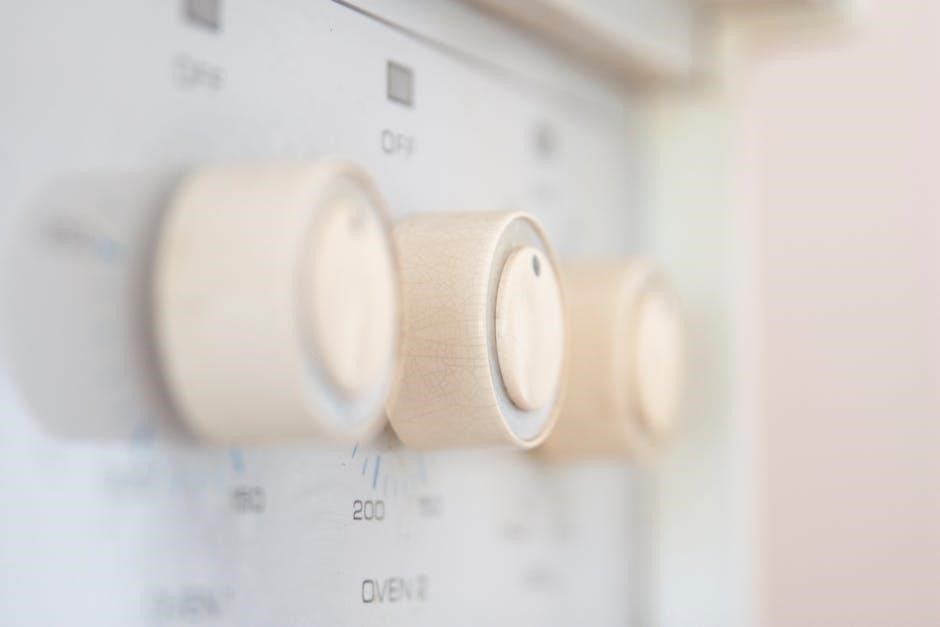
Mastering the controls is key to utilizing your Dacor oven effectively; The control panel features intuitive buttons and a digital display․ Explore various oven modes – Bake, Broil, and Convection – each tailored for specific cooking needs․ Adjust temperature settings precisely, and utilize the calibration feature for accuracy․
The integrated timer allows for convenient cooking management, while the delay start function enables pre-programmed cooking․ Familiarize yourself with the panel’s layout for seamless operation․ Refer to the detailed diagrams within this manual for a comprehensive understanding of each function․

Understanding Oven Modes (Bake, Broil, Convection)
Bake mode utilizes radiant heat for consistent, even cooking – ideal for cakes, cookies, and casseroles․ Broil mode employs intense, direct heat from above, perfect for searing meats and browning gratins․ Always use caution when broiling! Convection mode circulates hot air throughout the oven, resulting in faster, more uniform cooking and browning․
Convection is excellent for roasting and baking multiple items simultaneously․ Experiment with each mode to discover its unique benefits․ Remember to adjust cooking times and temperatures when switching between modes for optimal results․
Temperature Settings and Calibration

Dacor ovens offer precise temperature control for consistent cooking results․ The control panel allows you to set temperatures in Fahrenheit or Celsius, depending on your preference․ Regularly verifying oven temperature accuracy is crucial․ If you suspect a discrepancy, utilize the calibration feature․
Calibration allows you to adjust the oven’s internal thermostat to match external thermometer readings․ Consult the full manual for detailed calibration instructions․ Accurate temperature ensures food safety and optimal cooking performance․ Minor adjustments can significantly improve baking and roasting outcomes․
Timer and Delay Start Functions
Dacor ovens feature versatile timer and delay start capabilities, enhancing cooking convenience․ The timer function allows you to set a countdown for cooking duration, automatically shutting off the oven upon completion․ The delay start function enables you to pre-program the oven to begin cooking at a future time․
Utilize these features for meal preparation planning; Set the delay start before leaving for work, ensuring a hot meal upon your return․ Refer to the control panel section for specific programming instructions․ Proper use of these functions optimizes cooking schedules and provides added flexibility․
Using the Convection Oven Feature
Dacor convection ovens circulate hot air around the food, ensuring even cooking and faster roasting․ This feature is ideal for baking multiple trays of cookies, roasting meats, or achieving crispy textures․ When using convection, reduce the recipe temperature by 25°F (15°C) and check for doneness earlier than usual․
Ensure proper rack placement for optimal air circulation․ Avoid overcrowding the oven, as this can hinder airflow․ The convection setting is particularly effective for achieving golden-brown results and reducing cooking times․ Experiment with convection for various recipes to discover its benefits!
Self-Cleaning Cycle Operation
Dacor ovens feature a self-cleaning cycle utilizing high temperatures to burn off food residue․ Before initiating, remove racks, cookware, and any loose debris․ Ensure the oven door can lock securely․ Select the self-clean cycle on the control panel, choosing the desired cleaning duration – typically 2 to 4 hours․
During the cycle, the oven will heat to extremely high temperatures; avoid opening the door․ A burning odor is normal․ Once complete, allow the oven to cool completely before removing ash residue․ Always ventilate the kitchen during and after the self-cleaning process․
Troubleshooting Common Issues
Oven not heating? First, verify the power supply and ensure the control panel is functioning․ Check for tripped circuit breakers․ Error codes displayed indicate specific problems; consult the manual for interpretations․ Common codes relate to temperature sensor failures or igniter issues․
Control panel malfunctions might require a reset – try disconnecting power for several minutes․ If problems persist, contact Dacor support․ A consistently cool oven, uneven baking, or unusual noises also warrant investigation․ Always prioritize safety; if you suspect a gas leak, immediately shut off the gas supply and call a professional․
Oven Not Heating
If your Dacor oven isn’t heating, begin by confirming the power supply․ Is the oven properly plugged in, and is the circuit breaker active? Check the control panel display for any error messages, as these provide crucial diagnostic clues․ Verify the oven mode is correctly selected – ensure it’s not set to ‘Off’ or a non-heating function․
A faulty igniter (gas ovens) or heating element (electric ovens) are common culprits․ If these components appear damaged, replacement is necessary․ A malfunctioning temperature sensor can also prevent heating․ Always disconnect power before inspecting internal components․ If unsure, contact a qualified technician․
Error Codes and Their Meanings
Dacor ovens utilize error codes to signal specific malfunctions, aiding in diagnosis and repair․ A code like “E1” might indicate a temperature sensor failure, while “E2” could point to a heating element issue․ “F01” often signals a control board problem, requiring professional attention․ Refer to your specific model’s documentation for a complete list․
Ignoring error codes can lead to further damage․ Note the code displayed, and consult the manual or Dacor’s support website․ Some codes may allow for simple resets, while others necessitate a service call․ Do not attempt repairs if unfamiliar with electrical appliances; safety is paramount․
Control Panel Malfunctions
Control panel issues can range from unresponsive buttons to a completely blank display; First, verify the oven is receiving power – check the circuit breaker․ If power is confirmed, try a full power cycle: turn off the breaker for five minutes, then restore it․ A frozen display might require a reset by pressing and holding specific buttons (consult your model’s manual)․
Intermittent glitches could indicate loose wiring․ However, attempting to access internal components is dangerous․ Persistent malfunctions, like consistently incorrect readings or non-functional features, usually necessitate professional repair․ Contact Dacor customer service for assistance and authorized service technicians․
Cleaning and Maintenance
Regular cleaning extends your Dacor oven’s lifespan and ensures optimal performance․ For the interior, avoid abrasive cleaners; instead, use a mild dish soap and warm water solution․ After self-cleaning, wipe away any residue․ Exterior surfaces benefit from stainless steel cleaners, applied with a soft cloth, following the grain․
Avoid harsh chemicals on control panels – a damp cloth is usually sufficient․ Inspect door seals regularly for damage and replace if necessary․ Preventative maintenance, like checking vent openings for blockage, contributes to efficient operation․ Always disconnect power before any maintenance beyond routine wiping․
Interior Cleaning Procedures
For light cleaning, use a damp cloth with mild dish soap․ Avoid abrasive cleaners or scouring pads, which can damage the oven’s interior․ For baked-on spills, create a paste of baking soda and water, apply, let sit, then gently scrub․ Rinse thoroughly with a clean, damp cloth․
After using the self-cleaning cycle, allow the oven to cool completely before wiping away any ash residue․ Do not use oven liners as they can trap heat and damage the oven․ Regularly inspect and clean the oven racks with warm, soapy water․ Ensure all cleaning solutions are fully removed before use․
Exterior Cleaning and Care
To maintain your Dacor oven’s appearance, regularly clean the exterior surfaces with a soft cloth dampened with mild soap and water․ Avoid harsh chemicals, abrasive cleaners, or scouring pads, as these can scratch or discolor the finish․ Stainless steel surfaces benefit from stainless steel cleaners, applied with the grain․
For control panels, use a slightly damp cloth and gently wipe․ Avoid excessive moisture near the controls․ Regularly inspect door seals for damage and clean them to ensure a proper seal․ Polishing the exterior with a microfiber cloth enhances shine․ Promptly wipe up spills to prevent staining․
Dacor Oven Parts and Replacement
Genuine Dacor replacement parts are crucial for maintaining oven performance and safety․ Always use authentic parts to avoid compatibility issues and ensure proper functionality․ Common replacement parts include heating elements, oven knobs, temperature sensors, and door hinges․
To locate parts, refer to your oven’s model number․ Dacor’s website offers a parts finder tool․ Authorized Dacor service centers can also assist with part identification and installation․ Improper installation can be hazardous; consider professional help․ Keep a record of purchased parts for future reference and warranty claims․
Accessing Dacor Support and Resources
Dacor provides extensive support for its oven owners․ The official Dacor website (link unavailable) is a primary resource, offering product specifications, installation guides, and downloadable manuals․ You can search for specific models and access detailed documentation․
For direct assistance, Dacor’s customer service team is available via phone or online chat․ Contact information can be found on the Dacor website․ Authorized service centers offer professional repair and maintenance services․ Utilize these resources to resolve issues, order parts, and ensure your Dacor oven operates optimally for years to come․
Dacor Website for Product Specifications
The Dacor website serves as a central hub for comprehensive product information․ Users can easily search and download essential documents, including detailed product specifications for all Dacor oven models․ This includes dimensions, capacity, features, and electrical requirements․
CAD files and installation guides are also readily available, assisting professionals and DIY enthusiasts alike․ Explore the “Support” section to locate manuals, warranty details, and frequently asked questions․ The website allows you to filter by product category – Built-In Ovens, Ranges, and more – streamlining your search for relevant documentation․
Contacting Dacor Customer Service
For personalized assistance, Dacor provides multiple avenues to connect with their dedicated customer service team․ While specific contact details may evolve, the Dacor website remains the primary resource for current information․ Locate the “Contact Us” section to find phone numbers, email addresses, and potentially live chat options․
Be prepared to provide your oven’s model and serial number when reaching out, enabling efficient support․ Dacor representatives can assist with troubleshooting, warranty claims, parts inquiries, and general product questions․ Prompt and knowledgeable support ensures a positive ownership experience․
Installation Guidelines (Brief Overview)
Professional installation is strongly recommended for all Dacor ovens, ensuring adherence to local codes and optimal performance․ Proper electrical connections, gas line configurations (if applicable), and ventilation are crucial for safe operation․ Carefully review the detailed installation manual included with your oven before proceeding․

Verify adequate cabinet dimensions and clearances to accommodate the oven’s size and heat dissipation requirements․ Securely mount the oven to prevent movement during use․ Always test functionality after installation, confirming proper heating, controls, and safety features․ Improper installation can void the warranty․
Warranty Information
Dacor ovens are covered by a limited warranty against manufacturing defects in materials and workmanship․ The standard warranty period is typically one year from the date of original purchase, covering parts and labor․ Extended warranty options may be available for purchase, providing additional coverage․
Warranty coverage excludes damage resulting from misuse, improper installation, accidents, or normal wear and tear․ To make a warranty claim, retain your proof of purchase and contact Dacor Customer Service․ Registration of your oven is recommended to streamline the claims process; See the full warranty document for complete details and limitations․
Frequently Asked Questions (FAQ)
Q: How do I find my oven’s model number? A: Check the label inside the oven door frame or on the side of the oven cavity․ Q: What does the error code “E150” mean? A: This indicates a temperature sensor failure; contact Dacor support․ Q: Can I use aluminum foil in my convection oven? A: Limited use is acceptable, but avoid covering entire racks․
Q: How often should I self-clean my oven? A: Every 3-6 months, depending on usage․ Q: Where can I find replacement parts? A: Through the Dacor website or authorized service centers․ Q: Is professional installation required? A: Recommended for gas models; electrical connections can be DIY with caution․
Dacor Oven Recipes and Cooking Tips
Unlock culinary potential! Dacor ovens excel with precise temperature control․ For perfectly roasted chicken, utilize the convection feature for even browning․ When baking delicate pastries, ensure accurate temperature calibration for consistent results․ Experiment with the broil function for quick searing and finishing․
Tip: Utilize oven-safe cookware for optimal heat distribution․ Explore online resources for Dacor-specific recipes designed to maximize your oven’s capabilities․ Remember to preheat thoroughly before introducing food․ Adjust cooking times slightly when using convection, typically reducing by 25%․