shift paddles vs manual
Shift Paddles vs. Manual Transmissions: A Comprehensive Comparison (Updated 02/06/2026)
Modern vehicles offer diverse gear control options, including traditional manual transmissions and the increasingly popular shift paddles, found conveniently on steering wheels.
For decades, the manual transmission reigned supreme, demanding driver skill and offering a direct connection to the vehicle. However, automotive technology has dramatically evolved. Today, we see sophisticated automatic transmissions enhanced by shift paddles – levers positioned for intuitive manual control.
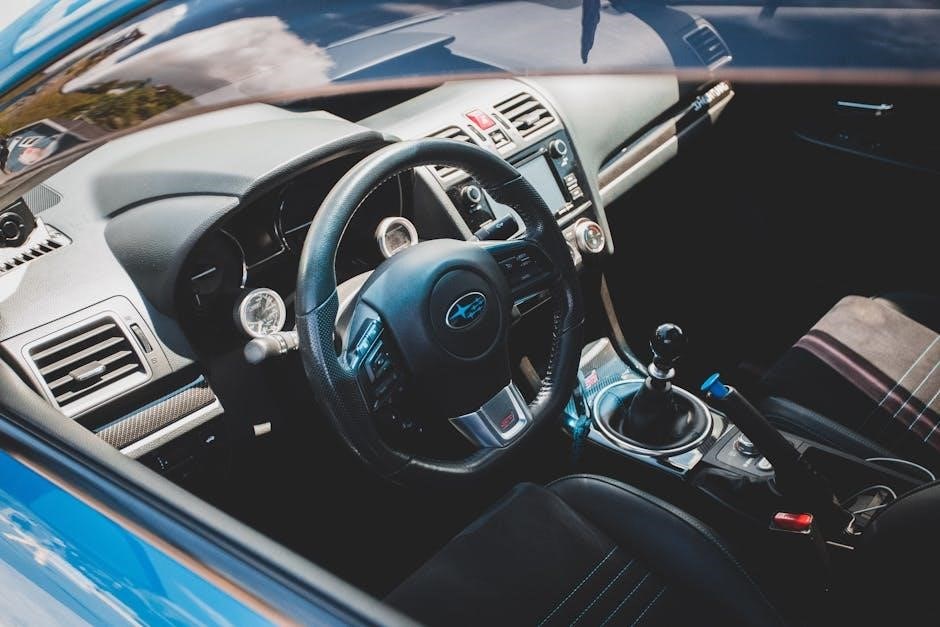
These paddles, like those found in many Subaru models, represent a fascinating blend of convenience and engagement, reflecting a shift towards smarter, more adaptable driving experiences.
What is a Manual Transmission?
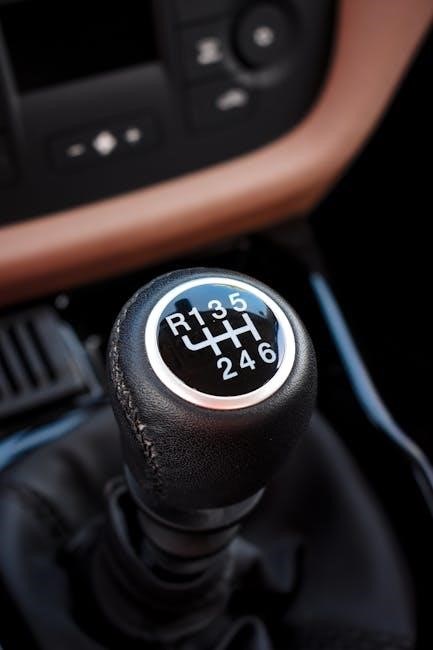
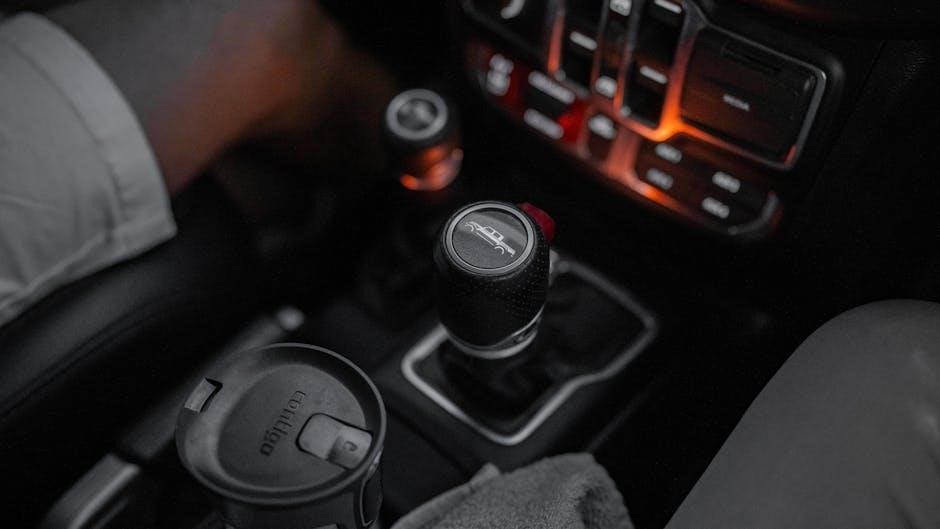
A manual transmission is a traditional gearbox requiring the driver to manually select gears using a clutch pedal and shift lever. This system directly links engine power to the wheels, demanding precise coordination. It’s a system celebrated for providing a heightened sense of control and driver involvement.
Mastering it allows for a uniquely engaging driving experience, though it requires significant skill.
The Fundamentals of Clutch and Gear Engagement
The clutch disengages the engine from the transmission, allowing gear changes without damaging components. Depressing the clutch pedal separates power flow, while releasing it re-engages it. Simultaneously, the driver moves the shift lever to select the desired gear ratio.
Smooth transitions require coordinating pedal and lever movements.
The Driver Experience: Control and Engagement
Driving a manual transmission fosters a direct connection with the vehicle, demanding active participation in every gear change. This hands-on approach provides a heightened sense of control and engagement, appealing to enthusiasts who relish the mechanical interaction.
Mastering the clutch and shifter is incredibly rewarding.
What are Shift Paddles?
Shift paddles, typically positioned behind the steering wheel at the three and nine o’clock positions, offer a method of manually controlling an automatic transmission. These levers allow drivers to select gears without needing a traditional gear selector. They’re a favorite feature in many Subaru models, providing a more involved driving experience.
How Paddle Shifters Work: Automation Explained
Paddle shifters don’t directly engage gears like a manual; instead, they send signals to the transmission control unit (TCU). The TCU then executes the gear change. This system automates the clutch operation and gear selection, allowing for quicker shifts than a typical automatic, while still offering a degree of driver control.
Types of Paddle Shifter Systems (Hydraulic, Electronic)
Paddle shifter systems broadly fall into two categories: hydraulic and electronic. Hydraulic systems utilize fluid pressure to actuate the gear changes, offering a robust and direct feel. Electronic systems, more common today, rely on electronic signals to control actuators, providing faster and more precise shifts, alongside greater programming flexibility.
Performance Comparison: Shift Speed and Efficiency
Evaluating shift speed reveals interesting nuances. A skilled driver with a manual transmission can achieve incredibly fast shifts, but consistency is key. Paddle shifters, however, deliver consistently rapid gear changes, often surpassing manual times for less experienced drivers, thanks to automated control and precise execution;
Manual Transmission: Potential for Fastest Shifts (with Skill)
Mastering a manual transmission unlocks exceptional shift speed potential. Through perfected heel-toe downshifting and precise clutch control, a highly skilled driver can execute gear changes quicker than most automated systems. However, this demands significant practice and coordination, making it less accessible for everyday driving scenarios.
Paddle Shifters: Consistent and Rapid Gear Changes
Paddle shifters deliver consistently fast and precise gear changes, independent of driver skill. These systems, often integrated with advanced transmission control units, optimize shift timing for performance or efficiency. While potentially not matching a professional manual driver, they offer reliable speed and responsiveness for all drivers.
Driving Experience: Engagement and Control
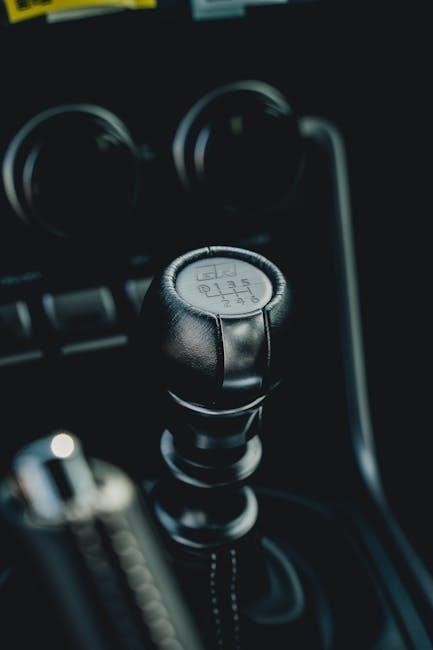
The driving experience differs significantly between both systems. Manual transmissions provide a direct, tactile connection, demanding full driver involvement. Paddle shifters, conversely, offer a simulated manual feel within an automatic framework, blending convenience with a degree of control. Both aim to enhance the driving experience, catering to varied preferences.
Manual Transmission: The Feeling of Connection
A manual transmission fosters a unique driver-vehicle bond. The physical act of clutching and shifting creates a deeply engaging experience, demanding precise coordination and offering complete control over the engine’s power. This direct link provides a satisfying sense of accomplishment and a heightened awareness of the car’s mechanics.
Paddle Shifters: Simulated Manual Control
Paddle shifters aim to replicate the manual experience within an automatic transmission. They grant drivers the ability to select gears, offering a sense of control without the need for a clutch pedal. While not a true manual, this system provides a more involved driving experience, appealing to those desiring a connected feel.
Technology and Modern Applications
Modern automotive technology has significantly impacted gear control systems. Paddle shifters are frequently integrated into advanced automatic transmissions, enhancing performance and driver engagement. Conversely, manual transmissions persist in sports cars, catering to enthusiasts who prioritize a direct connection to the vehicle and a traditional driving experience.
Paddle Shifters in Modern Automatic Transmissions
Paddle shifters represent a technological bridge, offering a simulated manual experience within the convenience of an automatic transmission. Subaru, for example, incorporates them into many models, allowing drivers to take manual control. This integration enhances responsiveness and provides a more engaging driving experience without a traditional clutch pedal.
Manual Transmissions in Sports Cars and Enthusiast Vehicles
Despite advancements, manual transmissions remain prevalent in sports cars and vehicles catering to driving enthusiasts. They deliver a direct connection to the vehicle, prized for maximizing control and driver engagement. This preference stems from a desire for a more visceral and involved driving experience, appealing to those who value skill and precision.
Reliability and Maintenance
Both systems present unique maintenance considerations. Manual transmissions can experience wear on the clutch, synchronizers, and linkages, potentially leading to costly repairs. Paddle shifter systems, while generally reliable, involve electronic components susceptible to failure. Diagnosing issues in paddle shifters often requires specialized tools and expertise, impacting repair expenses.
Manual Transmission: Common Issues and Repair Costs
Typical manual transmission problems include clutch wear, requiring replacement around 50,000-100,000 miles (costing $800-$2000). Synchronizer issues cause grinding gears ($500-$1500 to fix). Linkage problems lead to imprecise shifting ($200-$500). Overall, manual transmission repairs can be relatively affordable, but require skilled labor.
Paddle Shifter Systems: Potential Failure Points
Paddle shifter systems, while advanced, aren’t immune to issues. Sensor failures can cause incorrect gear selection ($300-$800 to diagnose and repair). Actuator malfunctions prevent smooth shifts ($500-$1200). Electronic control unit (ECU) problems are rarer, but costly ($1000+). These systems rely heavily on electronics, potentially leading to higher repair bills than manuals.
Fuel Efficiency: Manual vs. Paddle Shifters
Historically, manuals offered superior fuel economy, demanding driver skill for optimization. Modern paddle shifters, integrated with intelligent automatic transmissions, now rival or even surpass manual efficiency. They precisely select gears for optimal engine load, reducing waste. However, aggressive paddle shifting can negate gains, while a skilled manual driver still holds an edge.
Manual Transmission: Optimizing Fuel Economy with Skill
Achieving peak fuel economy with a manual transmission requires driver proficiency. Smooth, timely shifts, avoiding high RPMs, and utilizing engine braking are crucial. Anticipating traffic and selecting the highest possible gear without lugging the engine maximizes efficiency. This demands constant attention and a learned feel for the vehicle’s powerband.
Paddle Shifters: Efficiency Gains in Modern Applications
Modern paddle shifter systems, integrated with advanced automatic transmissions, often enhance fuel efficiency. Sophisticated software optimizes gear selection for economy, reacting faster than many drivers. These systems minimize unnecessary revving and maintain optimal engine load, contributing to improved MPG figures in typical driving scenarios.
Cost Considerations: Purchase and Ownership
Generally, vehicles equipped with manual transmissions present a lower initial purchase price compared to those featuring paddle shifters or advanced automatic systems. However, long-term ownership costs can vary. Manuals may require clutch replacements, while paddle shifter systems could incur expenses related to electronic component repairs.
Manual Transmission Vehicles: Typically Lower Purchase Price
Historically, opting for a manual transmission has translated to a more affordable vehicle purchase. Manufacturers often price manual variants lower to attract budget-conscious buyers. This price difference stems from simpler construction and fewer automated components. However, this gap is narrowing as manual transmissions become increasingly niche offerings.
Paddle Shifter Equipped Vehicles: Premium Cost
Vehicles featuring paddle shifters generally command a higher price tag than their manual counterparts, and often even standard automatics. This premium reflects the added technology and complexity of the system. Paddle shifters are frequently bundled with performance-oriented packages, further increasing the overall vehicle cost for the consumer.
The Future of Gear Control
The automotive landscape is rapidly evolving, with fully automatic transmissions becoming increasingly sophisticated. However, paddle shifters aren’t disappearing; they’re adapting. Expect advancements in predictive shifting algorithms and integration with electric vehicle powertrains. While fully autonomous driving looms, paddle shifters may persist as a driver engagement option.
The Role of Fully Automatic Transmissions
Fully automatic transmissions are becoming dominant, prioritizing efficiency and ease of use. Modern automatics employ numerous gears and sophisticated control systems, often surpassing manual shift speeds. They cater to a broader audience, reducing driver workload. However, the enthusiast demand for control keeps manual and paddle-shifted options viable.
Potential Developments in Paddle Shifter Technology
Future paddle shifters may integrate predictive algorithms, anticipating driver intentions for even faster, smoother shifts. Haptic feedback could simulate clutch engagement, enhancing the manual feel. Wireless control and customizable shift maps are also possibilities. Integration with advanced driver-assistance systems could optimize gear selection for efficiency and performance.
Who Should Choose a Manual Transmission?
Enthusiasts craving ultimate control and a direct connection to the driving experience should opt for a manual. Drivers prioritizing affordability and enjoying the engaging, tactile feedback of clutch and gear engagement will also appreciate it. Those seeking a purist driving experience, valuing skill and involvement, find manuals ideal.
Enthusiasts Seeking Maximum Control
For drivers who relish being fully involved in the driving process, a manual transmission delivers unparalleled control. It allows precise gear selection, maximizing performance and responsiveness. This direct link fosters a deeper connection with the vehicle, appealing to those who value skill and the art of driving itself, offering a truly immersive experience.
Drivers Prioritizing Engagement and Affordability
Manual transmissions often present a more budget-friendly option at the point of purchase, appealing to drivers seeking value. Beyond cost, they provide a uniquely engaging driving experience, demanding active participation. This hands-on approach enhances driver awareness and connection to the vehicle, offering a satisfying alternative to fully automated systems.
Who Should Choose Paddle Shifters?
Paddle shifters cater to drivers desiring a blend of convenience and control. They offer a simulated manual experience within the comfort of an automatic transmission. Individuals seeking performance benefits without the full commitment of a manual, or those frequently encountering traffic, will appreciate their responsiveness and ease of use.
Drivers Wanting Convenience with a Manual Feel
For those appreciating the engagement of a manual transmission but prioritizing everyday usability, paddle shifters present an ideal compromise. They eliminate the need for a clutch pedal, simplifying driving in congested areas, while still allowing for driver-selected gear changes and a more connected feel.
Those Seeking Performance in Automatic Transmissions

Paddle shifters unlock the full potential of modern automatic transmissions, offering quicker and more precise gear selection than traditional automatic modes. Subaru models, for example, demonstrate how these levers enhance control. This allows drivers to optimize engine performance during spirited driving, achieving faster acceleration and improved responsiveness.
Ultimately, the best gear control system depends on individual preferences and driving needs. Manual transmissions provide maximum engagement and affordability for enthusiasts. Conversely, paddle shifters deliver convenience with a simulated manual feel, enhancing performance in automatic transmissions, as seen in Subaru models. Consider your priorities carefully!
Recap of Key Differences
Manual transmissions demand full driver control, requiring clutch and gear engagement for a connected experience, while paddle shifters offer automated, rapid gear changes. Modern cars showcase advancements in both, with paddle shifters integrating into automatics for performance. Affordability often favors manuals, but convenience leans towards paddles.
Final Recommendations Based on Driving Style and Needs
For enthusiasts prioritizing engagement and affordability, a manual transmission remains ideal. Drivers seeking convenience with a manual feel, or performance within an automatic, should consider paddle shifters. Ultimately, the best choice depends on your driving style – whether you crave complete control or effortless gear changes.