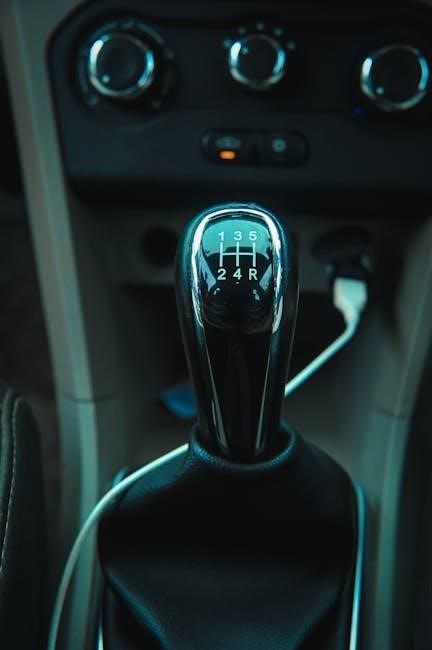
hybrid cars with manual transmission
Hybrid cars featuring manual transmissions represent a fascinating niche, blending fuel efficiency with driver engagement—a dwindling, yet cherished, option in today’s automotive landscape.
Despite the dominance of automatics, some manufacturers still cater to enthusiasts seeking a connected driving experience within the realm of hybrid technology.
The Appeal of a Manual in a Hybrid World
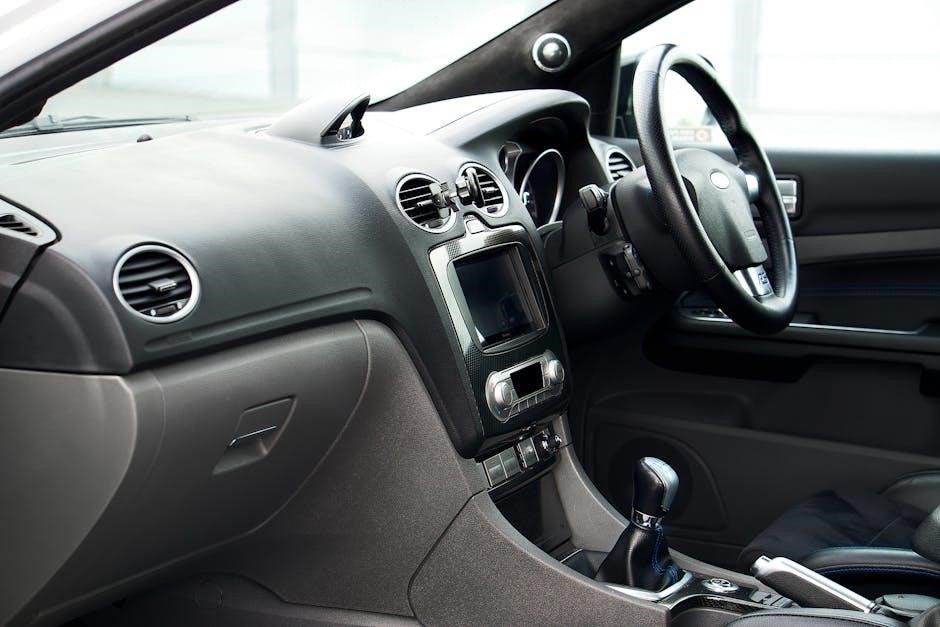
The enduring appeal of a manual transmission, even within the context of hybrid vehicles, stems from a desire for a more immersive and connected driving experience. For many enthusiasts, “roping your own gears” isn’t simply about labor, but a labor of love, offering a sense of control and engagement often absent in automatic systems.
This preference is fueled by nostalgia, a tactile connection to the mechanics of driving, and a feeling of being more involved with the vehicle. In a hybrid, a manual gearbox can surprisingly enhance the experience, allowing drivers to optimize power delivery and engine braking, complementing the electric motor’s assistance. It’s a unique blend of old-school driving dynamics and modern efficiency, appealing to a dedicated subset of drivers who value skill and involvement.
Why are Hybrid Manuals Rare?
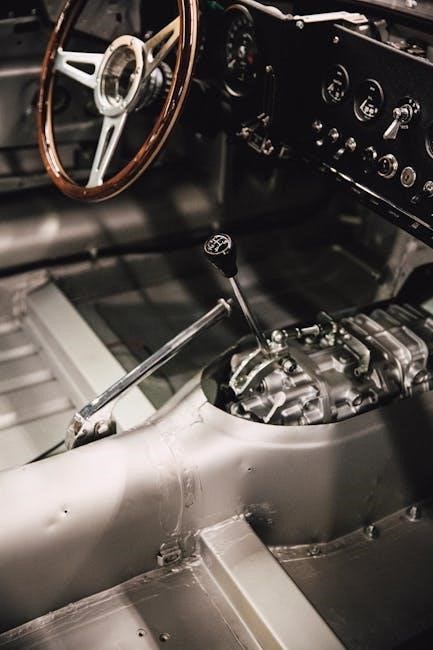
The scarcity of hybrid cars with manual transmissions is rooted in several factors. Primarily, market demand heavily favors automatic transmissions, leading manufacturers to prioritize production and development resources accordingly. Integrating a manual gearbox with a hybrid powertrain presents significant engineering challenges, particularly with complex full-hybrid systems.
Optimizing the interplay between the electric motor, engine, and manual transmission requires intricate calibration and control systems. Furthermore, the perceived benefits of a manual – driver engagement – can be diminished by the hybrid’s focus on efficiency. Automakers often view manual hybrids as niche offerings, limiting their investment and availability.
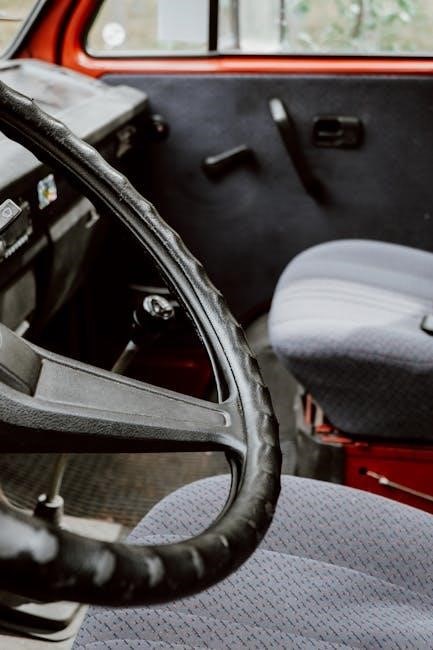
Current Hybrid Models Offering Manual Transmissions
Currently, options are limited, but the Fiat 500 Hybrid, Cadillac CT4-V, and Honda Civic Hatchback stand out as notable examples offering a manual transmission choice.
Fiat 500 Hybrid: A Mild-Hybrid with a Manual Option
Fiat has cleverly reintroduced a combustion engine to its iconic city car, the 500, with the launch of the 500 Hybrid. Marking the 68th anniversary of the original 500, this model features a 1.0-liter mild-hybrid Firefly engine, paired with a six-speed manual transmission.
This isn’t a full hybrid system, but rather a mild-hybrid, offering a small electric boost to aid the engine and improve fuel efficiency. The availability of a manual gearbox is a significant draw for driving purists, providing a more engaging experience than an automatic. It’s a charming and affordable option for those seeking a blend of classic style and modern, albeit modest, hybrid technology.
The 500 Hybrid demonstrates Fiat’s commitment to offering choice, even as the automotive world shifts towards electrification.
Cadillac CT4-V: Performance Hybrid with Manual Availability
The 2022 Cadillac CT4-V stands as a surprising entry into the world of hybrid manuals, offering a performance-oriented experience. While not a traditional hybrid focused on fuel economy, the CT4-V Blackwing boasts a potent engine and, crucially, the option of a six-speed manual transmission.
This combination is rare in the luxury performance segment, appealing to drivers who desire maximum control and engagement. The CT4-V’s manual gearbox allows enthusiasts to fully exploit the car’s power and handling capabilities. It’s a compelling alternative to automatic transmissions, providing a visceral connection to the driving experience.
Cadillac’s offering demonstrates that performance and manual transmissions aren’t mutually exclusive in the hybrid era.
Honda Civic Hatchback: Manual Transmission in a Hybrid Context
The 2022 Honda Civic Hatchback presents an interesting case, showcasing a manual transmission alongside hybrid technology, though not in a combined powertrain. While a hybrid Civic exists, the availability of a six-speed manual gearbox is primarily found in the non-hybrid trims, particularly those geared towards performance and driver engagement.
This allows buyers to choose a Civic Hatchback that prioritizes a traditional driving experience. Autoblog highlights the enduring appeal of manual transmissions for enthusiast drivers. The Civic’s manual option caters to those who enjoy the control and connection offered by a stick shift.
It’s a testament to Honda’s commitment to offering choices.
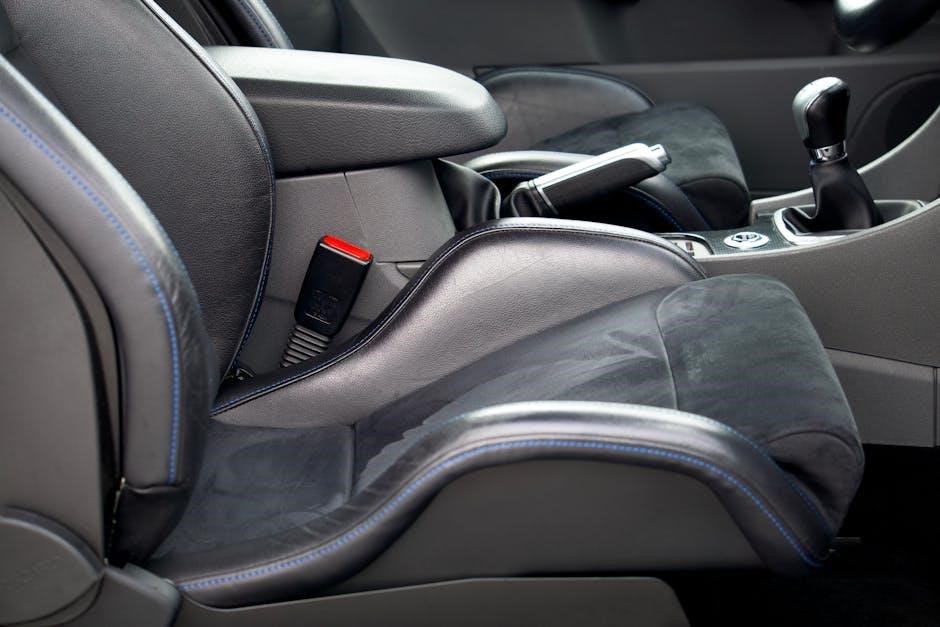
The Technology Behind Hybrid Manual Transmissions
Hybrid manual transmissions integrate electric motors with traditional gearboxes, presenting engineering challenges—mild hybrids are simpler, while full hybrids require complex integration strategies.
Mild Hybrid Systems and Manual Gearboxes
Mild hybrid systems, like those found in the Fiat 500 Hybrid, represent the most straightforward integration with a manual gearbox. These systems typically employ a 48-volt electrical system and a small electric motor, primarily assisting the combustion engine during acceleration and enabling start-stop functionality.
The electric motor doesn’t usually power the vehicle independently; instead, it provides a boost, reducing strain on the engine and improving fuel economy. Because of this limited electric assistance, the integration with a manual transmission is relatively uncomplicated. The existing gearbox doesn’t require significant modifications to accommodate the mild hybrid components, making it a cost-effective solution for manufacturers.
Essentially, the electric motor works with the engine and gearbox, rather than attempting to replace or fundamentally alter the driving experience offered by the manual transmission.
Full Hybrid Systems and the Challenges of Manual Integration
Full hybrid systems, capable of all-electric driving, present significant challenges when paired with a manual transmission. These systems require a more complex powertrain architecture, often involving a larger battery pack and a more powerful electric motor. Integrating this with a manual gearbox necessitates overcoming substantial engineering hurdles.
The primary issue lies in seamlessly blending the power delivery from both the engine and the electric motor while maintaining the driver’s control over gear selection. Traditional automatic transmissions handle this complexity more readily through sophisticated control systems.
Furthermore, regenerative braking, a key feature of full hybrids, is more difficult to implement effectively with a manual transmission, as it requires precise synchronization with the clutch and gear changes. This complexity is a key reason why full hybrid manuals are exceptionally rare.
Electric Motor Integration with Manual Transmission
Integrating an electric motor with a manual transmission in a hybrid vehicle demands innovative engineering solutions. Typically, the electric motor is positioned within the drivetrain to assist the combustion engine, providing extra torque and enabling electric-only driving at lower speeds. However, coordinating the motor’s output with the driver’s gear changes is complex.
One approach involves using the electric motor to fill in torque gaps during shifts, creating smoother acceleration. Another is to utilize the motor for regenerative braking, capturing energy normally lost during deceleration.
Successfully blending these systems requires sophisticated software and control algorithms to ensure seamless operation and optimal efficiency, presenting a significant technical challenge for automakers.
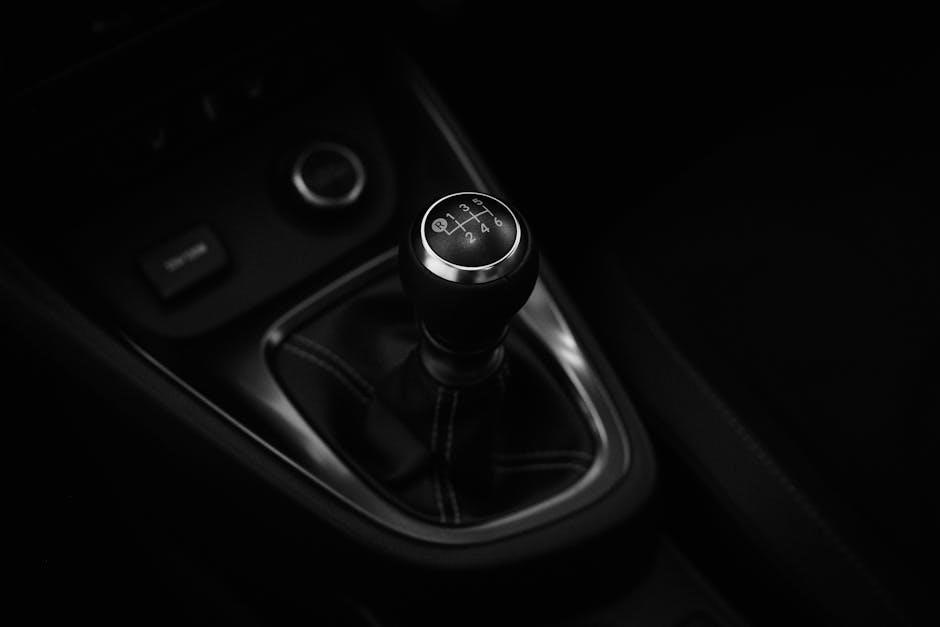
Driving Experience: Hybrid Manual vs. Traditional Manual
Hybrid manuals offer a unique feel, blending traditional gear engagement with electric motor assistance, impacting fuel efficiency and providing a distinct driving character.
Expect smoother transitions and potentially enhanced responsiveness compared to solely combustion-powered manual cars;
Fuel Efficiency Considerations
Hybrid cars, by their nature, prioritize fuel economy, and integrating a manual transmission introduces interesting dynamics. While a skilled driver can maximize efficiency in a traditional manual, the hybrid system adds layers of complexity.
The electric motor assists during acceleration and can recapture energy through regenerative braking, potentially boosting mileage. However, the driver’s technique significantly impacts these gains; aggressive shifting or neglecting optimal gear selection can diminish the benefits.
Compared to automatic hybrids, a manual allows for greater control over engine RPM, enabling drivers to stay within the most efficient range. Ultimately, achieving peak fuel economy in a hybrid manual requires a conscious effort to harmonize driving style with the vehicle’s hybrid technology.
Performance and Driver Engagement
Hybrid cars with manual transmissions offer a unique blend of efficiency and driving pleasure, appealing to enthusiasts who desire a more connected experience. The manual gearbox provides direct control, allowing drivers to actively engage with the powertrain and select the optimal gear for any situation.
The electric motor’s instant torque complements the engine, delivering responsive acceleration. While not typically focused on outright speed, these hybrids offer a surprisingly engaging driving dynamic, particularly on winding roads.
The act of shifting gears adds a layer of involvement often missing in automatic vehicles, fostering a stronger connection between driver and machine, enhancing the overall driving experience.
The Unique Feel of a Hybrid Manual
Hybrid manual cars present a distinct driving sensation, differing from both traditional manuals and automatics. The interplay between the combustion engine and electric motor creates a nuanced power delivery, often requiring adjustments to driving style;
Drivers may find themselves shifting gears less frequently, utilizing the electric motor’s torque to maintain momentum. Regenerative braking adds another layer of complexity, influencing deceleration and energy recovery.
This combination results in a smoother, more refined experience, yet still retains the engagement of a manual gearbox. It’s a subtle but noticeable difference, offering a unique blend of control and efficiency.
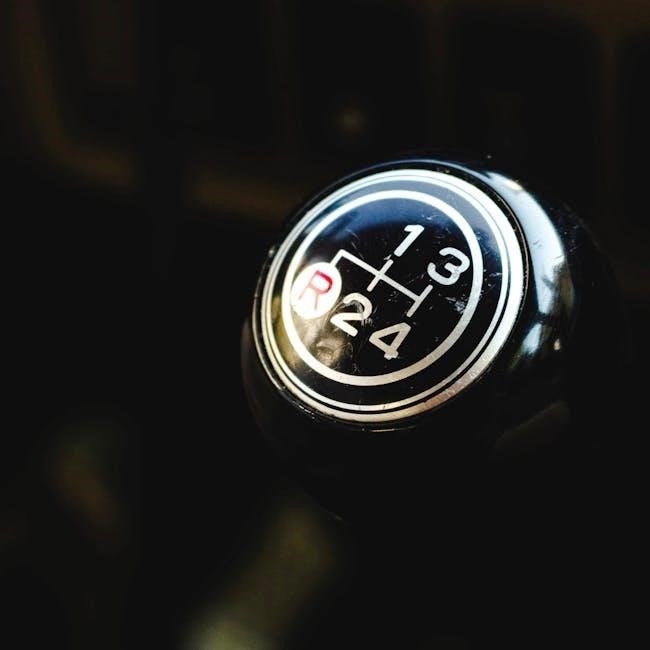
The Future of Hybrid Manual Cars
Hybrid manuals face uncertainty, yet enthusiast demand and models like the Honda Prelude—despite powertrain limitations—suggest a potential, albeit niche, continued existence.
Revived interest could inspire manufacturers to explore new hybrid manual options, catering to a dedicated driving audience.
Resurgence of Manuals Driven by Enthusiasts
Despite the automotive industry’s shift towards automatic and electric vehicles, a surprising resurgence of manual transmissions is occurring, fueled by a dedicated group of driving enthusiasts. This isn’t simply nostalgia; it’s a genuine desire for a more connected and engaging driving experience. For many, the act of shifting gears isn’t a chore, but a fundamental part of the joy of driving.
This demand is influencing manufacturers to reconsider offering manual options, even in hybrid models. Automotive blogs and motoring journalists consistently highlight the appeal of a manual gearbox, recognizing it as a key element for drivers who prioritize control and feel. The availability of manual transmissions in cars like the Fiat 500 Hybrid and Cadillac CT4-V demonstrates this responsiveness to enthusiast preferences, proving that the manual isn’t quite ready for extinction.
Honda Prelude and the Hybrid Powertrain Limitations
The highly anticipated Honda Prelude’s revival presents a unique challenge regarding transmission options. Despite enthusiast desires for a manual gearbox, Honda has confirmed that a manual transmission will not be offered with the new Prelude, due to the complexities of integrating it with the car’s advanced hybrid powertrain.
Honda engineers have stated that the hybrid system is exceptionally efficient in its current automatic configuration, and adapting it to accommodate a manual transmission would compromise its hybrid capabilities. This decision highlights the inherent difficulties in pairing full hybrid systems with manual gearboxes, where precise motor and engine synchronization is crucial for optimal performance and fuel economy.
Potential for New Hybrid Manual Models
The resurgence of interest in manual transmissions, fueled by driving enthusiasts, could incentivize manufacturers to explore further hybrid manual options. While currently limited, the demand demonstrates a market for vehicles offering both fuel efficiency and driver engagement.
Future models might leverage advancements in electric motor technology to create more seamless integration with manual gearboxes; Automakers could focus on mild-hybrid systems, which are less complex, to offer manual options without significantly compromising hybrid functionality. The key lies in balancing performance, efficiency, and the unique driving experience a manual transmission provides, potentially opening doors for exciting new hybrid models.

Market Trends and Pricing
Hybrid cars with manual transmissions are a niche market, often commanding a slight premium due to limited availability and enthusiast appeal, typically under $50,000.
Best Hybrid Cars Under $50,000 with Manual Options
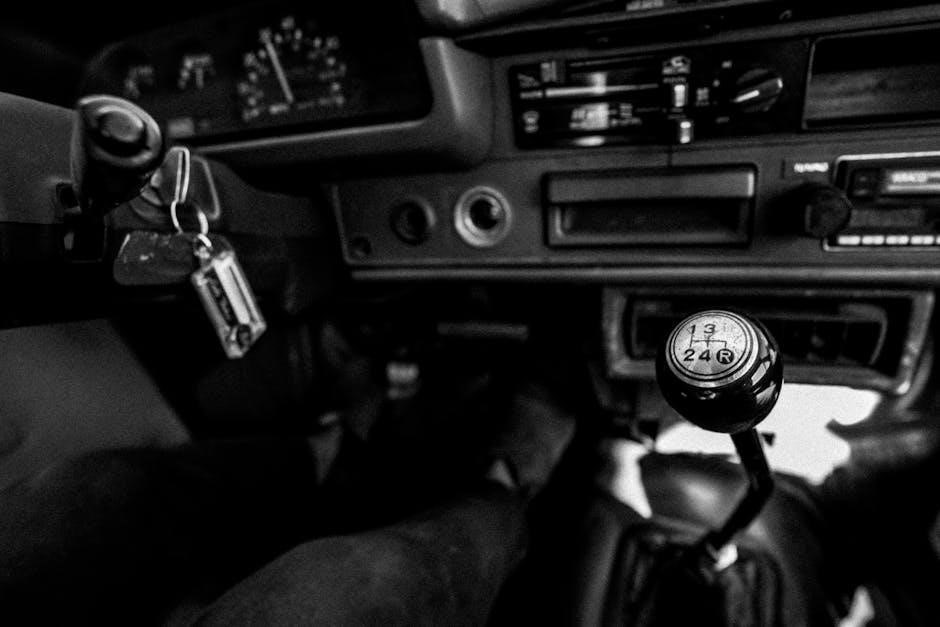
Currently, options for hybrid cars under $50,000 offering a manual transmission are limited, but compelling choices exist for driving purists. The Fiat 500 Hybrid stands out as an affordable and stylish entry point, blending a mild-hybrid system with a traditional five-speed manual gearbox.
For those seeking a performance-oriented experience, the Cadillac CT4-V presents a more potent option, pairing a turbocharged engine with a six-speed manual. The Honda Civic Hatchback, while not a full hybrid, offers a manual transmission alongside its efficient engine, providing a sporty and engaging drive.
These models represent a unique opportunity to enjoy the benefits of hybrid technology without sacrificing the control and connection of a manual transmission, catering to a dedicated segment of automotive enthusiasts.
The Value Proposition of a Hybrid Manual
A hybrid manual car uniquely blends efficiency and driver engagement, offering a compelling value proposition for enthusiasts. While automatics prioritize convenience, a manual gearbox provides a more connected and immersive driving experience, appealing to those who enjoy being in control.
The hybrid element enhances this by delivering improved fuel economy and reduced emissions, mitigating some of the traditional drawbacks associated with performance-focused driving. This combination results in a vehicle that is both fun to drive and environmentally conscious.
Ultimately, the value lies in the rare opportunity to experience a harmonious balance between technology and tradition.
Resources and Further Information
Explore automotive blogs like Autoblog and content from motoring journalists such as Dylan, for insights into hybrid manuals and evolving market trends.
Motoring Journalists and Content Creators
Staying informed about hybrid cars with manual transmissions requires following dedicated automotive journalists and content creators. These professionals provide valuable reviews, analyses, and insights into this niche market.
Dylan, a motoring journalist from Scotland, actively tests new electric and hybrid vehicles, offering firsthand experiences and expert opinions. He currently holds the position of Vice President within the Association of Scottish Motoring Writers, demonstrating his commitment to the automotive industry.
Various online platforms and publications regularly feature articles and videos covering the latest developments in hybrid technology and the availability of manual transmission options. Following these sources ensures access to up-to-date information and informed perspectives;
Automotive Blogs and Websites
Numerous automotive blogs and websites serve as excellent resources for enthusiasts seeking information on hybrid cars with manual transmissions. Autoblog, for instance, openly expresses its fondness for manual transmissions, acknowledging the labor of love it represents for drivers desiring ultimate control.
These platforms frequently publish articles detailing the limited availability of manual options in hybrid models, highlighting the appeal for those who prefer a more engaging driving experience. They often cover specific models like the Fiat 500 Hybrid, Cadillac CT4-V, and Honda Civic Hatchback, detailing their manual transmission features.
Regularly visiting these sites provides access to reviews, comparisons, and discussions surrounding the unique characteristics of hybrid manuals.