
who am i pdf
Understanding the “Who Am I” PDF: A Comprehensive Guide (Updated 02/06/2026)
Who Am I? PDFs are self-awareness worksheets exploring talents, qualities, and values; they’re comprehensive tools for identity exploration, often used in guidance settings.
What is the “Who Am I” PDF?
A “Who Am I?” PDF is fundamentally a structured worksheet designed to facilitate deep self-reflection and exploration of one’s identity. These documents aren’t merely questionnaires; they are comprehensive tools crafted to help individuals articulate their core values, personal qualities, and perceived roles. Often utilized in educational and career guidance contexts, these PDFs prompt users to consider how others perceive them, alongside their own self-assessment.
The worksheet format encourages a systematic approach to understanding one’s multifaceted self, encompassing talents, responsibilities, and unique characteristics. They serve as a starting point for building a personal identity profile, fostering self-awareness and emotional intelligence.
The Core Purpose of Self-Discovery Worksheets
The central aim of a “Who Am I?” worksheet, and self-discovery exercises generally, is to cultivate heightened self-awareness. These tools move beyond superficial understanding, prompting individuals to delve into their core values, strengths, and weaknesses. This process isn’t simply introspective; it’s about constructing a cohesive narrative of self, understanding one’s place and purpose.
By exploring roles, perceptions, and personal traits, these PDFs empower individuals to make informed decisions aligned with their authentic selves, ultimately fostering emotional intelligence and a stronger sense of identity.

Components of a Typical “Who Am I” Worksheet
Typical worksheets explore roles, responsibilities, personal qualities, core values, and how others perceive you—key elements for comprehensive self-assessment and understanding.
Exploring Roles and Responsibilities
This section of a “Who Am I?” worksheet delves into the various roles individuals inhabit – student, friend, family member, employee, and more. It prompts reflection on associated responsibilities within each role, fostering awareness of how these commitments shape identity.
Understanding these multifaceted roles isn’t simply listing positions; it’s about recognizing the expectations, duties, and contributions tied to each. This exploration helps individuals articulate their place in different contexts and how they navigate the complexities of balancing multiple responsibilities, ultimately contributing to a clearer self-perception.
Identifying Personal Qualities & Traits
A core component of the “Who Am I?” worksheet focuses on pinpointing individual qualities and traits – both strengths and areas for growth. This involves honest self-assessment, moving beyond superficial descriptors to uncover deeper characteristics.
Worksheets often encourage listing adjectives that accurately reflect personality, considering how these traits manifest in different situations. Recognizing these qualities isn’t about self-judgment, but about building a realistic and nuanced self-portrait, forming a foundation for self-acceptance and personal development.
Defining Core Values
The “Who Am I?” worksheet dedicates space to identifying core values – the fundamental beliefs that guide decisions and behaviors. These aren’t fleeting preferences, but deeply held principles like honesty, kindness, or creativity.
Worksheets prompt reflection on what truly matters, encouraging prioritization among potential values. Understanding these core tenets provides a moral compass, fostering authenticity and integrity. Recognizing values clarifies life priorities, aiding in goal setting and ensuring actions align with one’s inner self, leading to a more fulfilling existence.
Perception – How Others See You
A crucial component of the “Who Am I?” worksheet explores external perceptions – how friends, family, and colleagues view you. This section encourages honest self-assessment, contrasting your self-image with others’ perspectives.
It’s about acknowledging potential discrepancies and understanding how your actions impact those around you. This isn’t about seeking validation, but gaining a more rounded self-awareness. Recognizing these external views fosters empathy and improves interpersonal relationships, leading to personal growth and stronger connections.

The “Who Am I” Workbook Approach
Workbooks utilize sequential identity markers, starting with “Who Am I?”, guiding users through personal exploration and building a comprehensive identity profile.
Sequential Identity Markers
The “Who Am I?” workbook approach strategically employs sequential identity markers, initiating the process with the fundamental question itself. This foundational prompt then unfolds into a series of structured explorations. Users progressively fill in designated boxes, meticulously detailing their personal identities – encompassing roles, responsibilities, and unique characteristics.
This methodical progression facilitates a deeper, more nuanced understanding of self. It encourages introspection and allows individuals to articulate their multifaceted identities in a clear and organized manner, building a robust self-perception.
Building a Personal Identity Profile
Completing a “Who Am I?” worksheet isn’t merely answering questions; it’s actively constructing a personal identity profile. By systematically exploring roles, qualities, values, and perceptions, individuals synthesize fragmented self-understandings into a cohesive whole. This profile serves as a dynamic representation of one’s authentic self, evolving with experience and reflection.
The resulting document becomes a valuable resource for self-awareness, providing clarity on strengths, weaknesses, and core beliefs – essential components for personal growth and informed decision-making.
Guidance-Related Learning Integration
“Who Am I?” worksheets, like those from NCGE and CareersPortal, are frequently integrated into guidance programs to facilitate self-discovery. These tools support students in connecting personal attributes to potential career paths, fostering informed choices aligned with their values and strengths.
The sequential identity markers within the workbook encourage structured reflection, aiding counselors in understanding student perspectives and providing tailored support for academic and professional development.
Utilizing the Worksheet for Different Age Groups
Worksheet adaptation is crucial; infant/toddler approaches differ vastly from secondary school, requiring tailored questions and activities to suit developmental stages.
Infant/Toddler Considerations
Applying a “Who Am I?” concept to infants and toddlers necessitates a shift from direct questioning to observational activities. Focus on exploring their emerging preferences – favorite toys, sounds, and people. Instead of a formal worksheet, caregivers can document observations about the child’s developing personality and unique responses to stimuli.
This early exploration isn’t about defining a fixed identity, but rather recognizing the building blocks of self-awareness. Activities like providing choices (e.g., different colored blocks) and narrating their actions (“You’re building a tall tower!”) foster a sense of agency and self-recognition. The goal is to nurture a positive self-image through responsive interactions.
Adapting for Secondary School Students
For secondary students, the “Who Am I?” worksheet becomes a more nuanced exploration of identity, encompassing academic strengths, extracurricular involvement, and future aspirations. Encourage self-reflection on values, beliefs, and how they perceive themselves versus how others see them.
Facilitate discussions around societal expectations and the pressures of peer influence. The worksheet can be integrated with career guidance, prompting students to align their personal qualities with potential career paths. Encourage journaling and peer feedback to deepen self-awareness and build a robust personal identity profile.
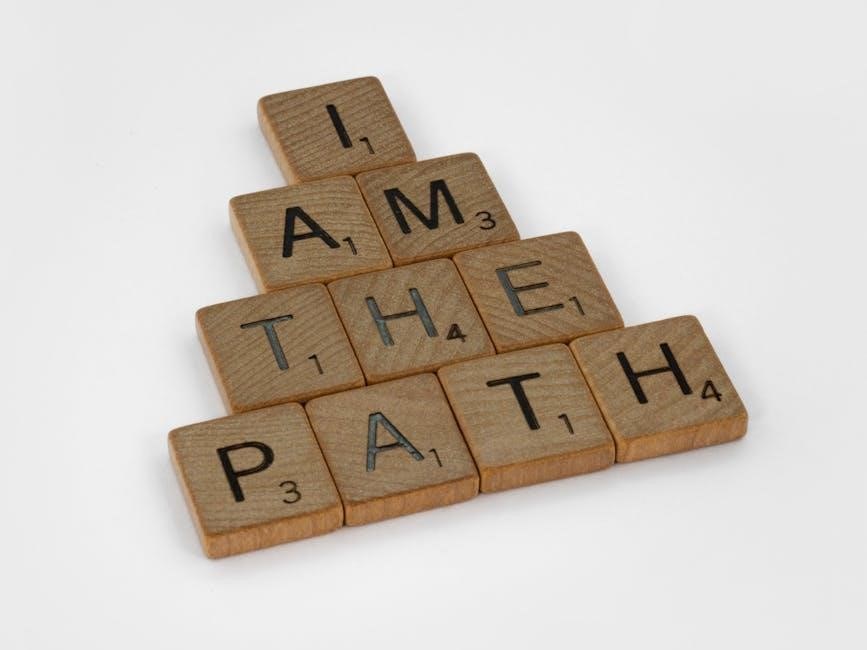
Benefits of Completing a “Who Am I” Exercise
Completing a “Who Am I?” exercise boosts self-awareness, emotional intelligence, and decision-making skills, fostering a stronger sense of self and purpose.
Increased Self-Awareness
The core benefit of utilizing a “Who Am I?” worksheet lies in the profound increase in self-awareness it cultivates; By systematically prompting reflection on roles, qualities, values, and perceptions, individuals gain a clearer understanding of their internal landscape. This process moves beyond superficial self-perception, delving into deeper motivations and beliefs.
Understanding how others view you, as explored within these PDFs, provides valuable external perspective, complementing internal introspection. This heightened self-awareness empowers individuals to recognize strengths, acknowledge weaknesses, and ultimately, live more authentically.
Improved Emotional Intelligence
Completing a “Who Am I?” worksheet significantly contributes to improved emotional intelligence. The process of identifying core values and understanding personal motivations fosters self-regulation and empathy. Recognizing how your values influence your reactions allows for more mindful emotional responses.
Furthermore, considering external perceptions – how others see you – cultivates social awareness, a key component of emotional intelligence. This enhanced understanding of both self and others leads to stronger interpersonal relationships and more effective communication.
Enhanced Decision-Making Skills
Utilizing a “Who Am I?” worksheet directly enhances decision-making skills by providing a clear framework of personal values and priorities. When faced with choices, individuals can evaluate options based on alignment with their identified core beliefs.
This self-awareness minimizes impulsive reactions and promotes thoughtful consideration. Understanding personal strengths, revealed through the exercise, also allows for more confident and strategic choices, leading to outcomes that are more fulfilling and authentic.

Soundboard & Audio Effects Connection (Unexpected Relevance)
Soundboards offer a unique outlet for self-expression and identity play, mirroring the exploration within a “Who Am I?” worksheet through audio preferences.
Soundboards as Tools for Self-Expression
Interestingly, the seemingly unrelated world of soundboards provides a fascinating parallel to the introspective journey of a “Who Am I?” exercise. Selecting sounds – meme buttons, audio effects, or even celebrity voices – becomes a form of non-verbal self-representation.
The choices reflect personality, humor, and even underlying values. A user gravitating towards upbeat, energetic sounds might express an optimistic outlook, while someone choosing darker or ironic clips could reveal a more complex inner world.
Essentially, curating a personal soundboard is akin to building an auditory self-portrait, offering another avenue for understanding and articulating “Who Am I?” beyond traditional worksheets.
Meme Soundboards & Identity Play
Meme soundboards, brimming with recognizable audio clips, offer a playful space for exploring different facets of identity. Utilizing these sounds isn’t merely about humor; it’s about temporarily “trying on” personas and observing how they resonate.
This aligns with the “Who Am I?” process, which encourages examining various roles and perceptions.
By associating oneself with specific meme sounds – perhaps a confident catchphrase or a relatable reaction – individuals can experiment with self-expression and discover unexpected aspects of their personality, mirroring the insights gained from a self-discovery worksheet.
Exploring Personality Through Audio Preferences
Just as a “Who Am I?” worksheet delves into core values and traits, analyzing audio preferences—from music genres to favored sound effects—can reveal surprising personality insights. The sounds we gravitate towards often reflect our emotional landscape and underlying motivations.
A fondness for energetic beats might indicate extroversion, while a preference for calming ambient sounds could suggest introversion.
Exploring these sonic inclinations, alongside structured self-reflection, provides a richer, more nuanced understanding of one’s identity, complementing the insights gained from dedicated self-discovery exercises.

Resources & Where to Find “Who Am I” PDFs
Numerous online repositories, like NCGE and CareersPortal, offer free “Who Am I?” worksheets in PDF format, alongside comprehensive workbook compilations.
Online Worksheet Repositories
Several websites specialize in hosting free downloadable worksheets, including those focused on self-discovery like the “Who Am I?” exercise. These repositories often categorize resources by age group and subject, making navigation easier. Users can typically find various versions of the PDF, catering to different learning styles and preferences.
Exploring these platforms provides access to a diverse collection of identity exploration tools. Many offer additional resources, such as accompanying guides or related activities, to enhance the self-reflection process. Remember to always check the source’s credibility before downloading any files.
Educational Websites & Portals (NCGE, CareersPortal)
Dedicated educational portals like the National Centre for Guidance in Education (NCGE) and CareersPortal frequently offer “Who Am I?” worksheets as part of their career guidance resources. These PDFs are specifically designed to assist students in exploring their identities, values, and potential career paths.
The materials often align with national curriculum standards and are created by experienced guidance counselors. Accessing these resources ensures quality and relevance, providing a structured approach to self-discovery. They often include supplementary materials for educators and students alike.
Workbook Compilations
Numerous online resources compile various self-discovery worksheets, including “Who Am I?” PDFs, into comprehensive workbooks. These compilations often gather materials from different sources, offering a broader range of exercises and prompts for deeper self-reflection. They can be particularly useful for individuals seeking a more extensive exploration of their identity.
These curated collections frequently cover areas like values clarification, strengths assessment, and future goal setting, providing a holistic approach to personal development.

Beyond the PDF: Expanding Self-Discovery
PDF completion is a starting point; journaling, mindfulness, and seeking trusted feedback deepen self-awareness and provide continuous personal growth opportunities.
Journaling Prompts for Deeper Reflection
Following a “Who Am I?” PDF, journaling unlocks further insights. Consider prompts like: “What makes me feel most authentic?” or “What are my non-negotiable values?” Explore past experiences – pivotal moments shaping your identity.
Reflect on how others perceive you versus your self-perception. Detail your strengths and areas for growth. What legacy do you aspire to leave? Document your evolving understanding of self, recognizing that identity is fluid and dynamic. Regular journaling complements the PDF’s initial exploration.
Mindfulness Exercises for Present Moment Awareness
Complementing a “Who Am I?” PDF, mindfulness anchors you in the present, reducing self-judgment. Practice focused breathing, observing thoughts without attachment; Body scan meditations heighten awareness of physical sensations, grounding you in your being.
Engage in mindful walking, noticing each step. Regular practice cultivates self-compassion, essential for honest self-discovery. Mindfulness isn’t about finding yourself, but being with yourself, accepting the evolving “I” revealed through the PDF’s exploration.
Seeking Feedback from Trusted Sources
While a “Who Am I?” PDF offers introspection, external perspectives are invaluable. Share your completed worksheet with trusted friends, family, or mentors. Ask them how they perceive your qualities and values – do their views align with your self-assessment?
Be open to constructive criticism; differing viewpoints can reveal blind spots. Remember, feedback isn’t about changing who you are, but gaining a more nuanced understanding of yourself, enriching the insights gained from the PDF;

The Role of “Who Am I” in Career Guidance
A “Who Am I?” PDF aligns personal values with potential career paths, identifying strengths for professional development and clarifying individual motivations for success.
Aligning Values with Career Paths
Utilizing a “Who Am I?” worksheet during career exploration is profoundly beneficial, as it encourages introspection regarding deeply held beliefs and principles. This self-assessment process reveals which career fields resonate most authentically with an individual’s core values;
For example, someone valuing creativity might gravitate towards artistic or design-oriented roles, while a person prioritizing service could find fulfillment in healthcare or education. By consciously aligning career choices with personal values, individuals are more likely to experience job satisfaction, increased motivation, and a stronger sense of purpose throughout their professional lives. The PDF facilitates this crucial connection.
Identifying Strengths for Professional Development
A “Who Am I?” worksheet isn’t solely about values; it’s a powerful tool for pinpointing inherent strengths and talents. Through focused self-reflection, individuals can articulate skills they possess – both those recognized by others and those often overlooked.
This awareness is invaluable for professional development, guiding choices regarding training, skill-building, and career advancement. Recognizing these strengths allows for targeted development, maximizing potential and fostering confidence. The PDF helps individuals articulate these abilities, creating a foundation for a successful and fulfilling career trajectory.
Understanding Personal Motivations
The “Who Am I?” worksheet delves beyond surface-level interests, prompting exploration of core motivations – the ‘why’ behind career aspirations. Identifying these driving forces is crucial for long-term job satisfaction and engagement. Are you motivated by creativity, problem-solving, helping others, or achieving recognition?
This self-awareness, facilitated by the PDF, ensures career choices align with intrinsic values, preventing burnout and fostering a sense of purpose. Understanding these motivations allows individuals to seek roles that genuinely resonate, leading to increased productivity and fulfillment.

Digital Tools & Alternatives to PDF Worksheets
Interactive quizzes, self-assessment apps, and virtual coaching platforms offer dynamic alternatives to traditional “Who Am I?” PDF worksheets, enhancing self-discovery.
Interactive Online Quizzes
Online quizzes present a compelling alternative to static “Who Am I?” worksheets, offering immediate feedback and personalized insights. These digital assessments often employ branching logic, tailoring questions based on previous responses for a more nuanced understanding of individual traits.
Many platforms provide detailed reports outlining strengths, weaknesses, and potential areas for growth, facilitating self-reflection. Unlike PDFs, quizzes can be easily updated and adapted, ensuring relevance and engagement. They also often incorporate gamification elements, making the self-discovery process more enjoyable and motivating for users of all ages.
Self-Assessment Apps
Self-assessment apps extend the functionality of traditional “Who Am I?” worksheets by providing ongoing tracking and personalized recommendations. These mobile applications often integrate various assessment tools, including personality tests, values clarification exercises, and strengths finders.
Unlike static PDFs, apps allow users to revisit and update their profiles over time, charting their personal growth and evolving self-perception. Many offer features like goal setting, journaling prompts, and community forums, fostering a supportive environment for self-discovery and continuous improvement.
Virtual Coaching Platforms
Virtual coaching platforms represent a dynamic evolution beyond static “Who Am I?” PDFs, offering guided self-exploration with professional support. These platforms connect individuals with certified coaches who can facilitate deeper reflection on identity markers, values, and life goals.
They often incorporate elements from the worksheets – roles, qualities, perceptions – but add personalized feedback, accountability, and tailored action plans. This interactive approach can be particularly beneficial for those seeking structured guidance in navigating complex self-discovery journeys.