
a short guide to writing about film
Film analysis delves into understanding a film’s artistic merits and techniques, offering a structured approach to writing about cinematic works.
This guide provides essential tips for dissecting films and crafting insightful papers, moving beyond simple opinions to critical evaluation.
Remember to italicize film titles and focus on detailed observations, not just personal preferences, when analysing a film.
What is Film Analysis?
Film analysis is the detailed examination of a film’s elements – narrative, style, themes, and techniques – to understand its meaning and artistic impact.
It’s a critical exploration, going beyond simply stating whether you enjoyed a film; instead, it involves dissecting how the film achieves its effects.
This process requires active viewing, careful note-taking, and a strong understanding of cinematic language, including mise-en-scène, cinematography, editing, and sound design.
Essentially, film analysis transforms a passive viewing experience into an active, interpretive one, allowing for a deeper appreciation of the art form and the filmmaker’s choices.
It’s about uncovering the layers of meaning embedded within the film’s construction.
The Purpose of a Film Analysis Paper
The primary goal of a film analysis paper isn’t to simply summarize the plot or express personal preferences – liking or disliking a film is irrelevant.
Instead, the purpose is to present a well-supported, analytical argument about how the film functions and what it communicates.
This involves identifying specific cinematic techniques and demonstrating how they contribute to the film’s overall meaning or effect.
A strong paper will showcase your critical thinking skills and your ability to interpret a film through a focused, insightful lens.
Ultimately, it’s about demonstrating a deep understanding of the film and its artistry.
Avoiding Subjective Opinions
While personal reactions are natural, a strong film analysis prioritizes objective observation and evidence-based arguments over subjective feelings.
Statements like “I felt…” or “This film is good because…” are insufficient; they lack analytical depth and don’t demonstrate understanding.
Instead, focus on what the film does and how it achieves its effects, supporting your claims with concrete examples from the film itself.
Replace “I think” with “The director utilizes…” or “The editing suggests…” to maintain an academic and analytical tone.
Strive for impartial interpretation, grounded in the film’s visual and auditory elements.
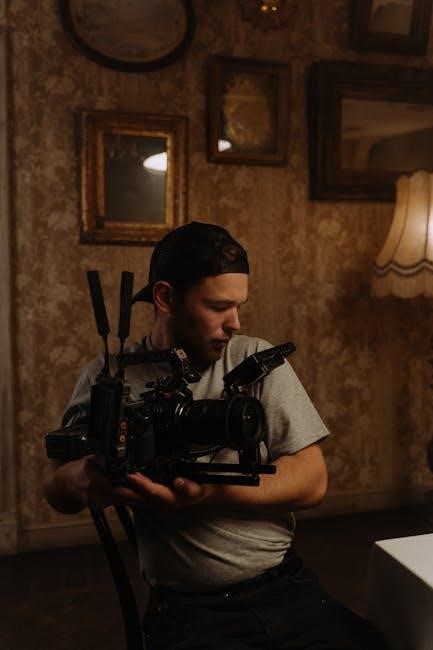
Pre-Writing: Watching and Note-Taking
Before writing, multiple viewings are crucial; first for overall impressions, then for detailed observation of key cinematic elements and techniques.
Active Viewing: First Impressions
During your initial viewing of the film, dedicate your undivided attention to the screen, resisting distractions to fully immerse yourself in the narrative.
This first encounter should be about experiencing the film as a whole, noting your immediate emotional responses and overall impressions without critical analysis.
Jot down fleeting thoughts – what stood out, what confused you, and what resonated emotionally – these initial reactions form a foundation for deeper exploration.
Consider the general mood, the pacing, and the initial impact of the film’s visual and auditory elements; these first impressions are invaluable.
Avoid overthinking at this stage; simply allow the film to wash over you, capturing your instinctive reactions for later consideration.
Detailed Observation: Key Details
Subsequent viewings demand a shift towards meticulous observation, focusing on specific elements within each scene to uncover deeper meanings.
Pay close attention to recurring motifs, symbolic imagery, and subtle nuances in character interactions; these details often reveal thematic significance.
Examine the film’s visual composition – framing, camera angles, and lighting – and how they contribute to the overall mood and storytelling.
Note the use of sound, including dialogue, music, and sound effects, and their impact on the emotional resonance of key moments.
Consider how these details work together to create a cohesive and meaningful cinematic experience, forming the basis for your analysis.
Note-Taking Strategies for Film
Effective note-taking during film viewing is crucial for a strong analysis; don’t rely solely on memory.
Divide your notes into categories: mise-en-scène, cinematography, editing, sound, and themes, allowing for organized recall.
Record specific timestamps for noteworthy moments – impactful dialogue, striking visuals, or significant sound cues – for easy referencing.
Jot down initial interpretations and questions as they arise, fostering critical thinking and potential thesis development.
Utilize shorthand and abbreviations to expedite the process, ensuring you capture as much detail as possible during the viewing experience.

Understanding Film Form & Techniques
Film form encompasses elements like mise-en-scène, cinematography, editing, and sound, all working together to create meaning and impact the viewer’s experience.
Mise-en-Scène: Visual Elements
Mise-en-scène, meaning “placing on stage,” refers to everything visible within the film frame. This includes set design, props, costumes, and the positioning and movement of actors.
When analysing mise-en-scène, consider how these elements contribute to the film’s themes and mood. For example, a cluttered set might suggest chaos, while stark lighting can create a sense of isolation.
Pay attention to color palettes, as they often carry symbolic weight. Note how actors use their bodies and facial expressions to convey emotion. Detailed observation of these visual components is crucial for a thorough film analysis paper.
Consider how these elements interact to create a cohesive visual style.
Cinematography: Camera and Lighting
Cinematography encompasses how the camera captures the film’s images, including camera angles, movement, and lighting techniques. These choices profoundly impact the viewer’s experience.
Analyze shot types – close-ups emphasize emotion, while long shots establish setting. Camera movements, like panning or tracking, can guide the audience’s eye and create a sense of dynamism.
Lighting is equally important; high-key lighting often signifies optimism, while low-key lighting creates suspense. Consider the use of shadows and color in the lighting scheme.
In your film analysis, explain how these cinematic choices contribute to the film’s overall meaning and style.
Editing: Rhythm and Flow
Editing is the process of selecting and assembling shots to create a cohesive narrative. It dictates the film’s pace and rhythm, significantly influencing the audience’s emotional response.
Consider the types of cuts used – quick cuts create tension, while long takes build suspense. Montage sequences compress time and convey information efficiently.
Pay attention to transitions like fades, dissolves, and wipes, and how they connect different scenes. Analyze how editing creates continuity or deliberately disrupts it for artistic effect.
In your film analysis, demonstrate how the editing choices contribute to the film’s overall style and thematic concerns.
Sound Design: Audio Elements
Sound design encompasses all auditory elements within a film – dialogue, music, and sound effects – working together to enhance the viewing experience.
Analyze the use of diegetic sound (originating within the film’s world) versus non-diegetic sound (added for effect, like a score). Consider how sound creates atmosphere and foreshadows events.
Pay attention to sound mixing; how different audio layers are balanced. Is the dialogue clear, or is it intentionally muffled? Does the music overpower the scene, or complement it?
In your film analysis, explore how sound contributes to the film’s emotional impact and reinforces its narrative themes.

Genre and Context
Understanding a film’s genre and its historical/cultural context is crucial for insightful analysis. Consider how it conforms to—or subverts—genre expectations.
Contextualizing the film reveals deeper meanings.
Identifying the Film’s Genre
Identifying a film’s genre is the initial step in contextualizing your analysis. Genres, like comedy, drama, or science fiction, establish specific conventions and audience expectations.
Carefully consider the dominant narrative elements, thematic concerns, and stylistic choices. Is it a straightforward example of its genre, or does it blend multiple categories?
Sometimes, a film deliberately plays with genre tropes, offering a unique twist. Recognizing these nuances demonstrates a deeper understanding of the film’s artistic intent.
Accurately pinpointing the genre provides a framework for exploring how the film operates within—or challenges—established cinematic traditions, enriching your paper.
Genre Conventions and Expectations
Each film genre carries inherent conventions – recurring motifs, character archetypes, and narrative structures – that audiences anticipate. Understanding these expectations is crucial for insightful analysis.
Consider how the film adheres to, subverts, or innovates upon these established norms. Does it employ familiar tropes effectively, or does it deliberately challenge them?
Analyzing these choices reveals the film’s relationship to its genre and its potential commentary on cinematic traditions. Recognizing these elements strengthens your paper.
Exploring genre expectations allows you to assess the film’s success in engaging with—and potentially redefining—audience perceptions within a specific category.
Historical and Cultural Context
Films don’t exist in a vacuum; they are products of their time, reflecting and responding to the socio-political and cultural landscape in which they were created.
Investigate the historical events, social movements, and prevailing ideologies that influenced the film’s production and reception. How does the film engage with these contexts?
Consider the cultural values, beliefs, and anxieties of the period. Analyzing this context enriches your analysis and demonstrates a deeper understanding.
Understanding the film’s original audience and its initial impact provides valuable insights for a comprehensive paper.

Developing Your Thesis Statement
A strong thesis focuses your film analysis, presenting a clear, arguable claim about a specific aspect of the film’s artistry.
Avoid broad generalizations; instead, pinpoint a focused argument supported by evidence from the film;
Formulating a Clear Argument
Crafting a compelling thesis is paramount for effective film analysis. Your argument shouldn’t merely summarize the film’s plot; it must present an original interpretation.
Consider what unique perspective you can offer regarding the film’s themes, techniques, or cultural significance. A strong thesis statement acts as a roadmap for your entire paper.
It should be concise, debatable, and directly address a specific element of the film. For example, instead of stating “Citizen Kane is a great film,” argue how Orson Welles’ innovative cinematography shapes the narrative’s emotional impact.
This focused approach ensures a more insightful and persuasive analysis.
Focusing on a Specific Aspect
Avoid broad generalizations when developing your thesis; instead, pinpoint a particular element of the film for in-depth exploration. This could be a specific cinematic technique, a recurring motif, or a character’s arc.
Narrowing your focus allows for a more nuanced and convincing analysis. For instance, rather than discussing the entire film’s themes, concentrate on how a single scene utilizes lighting to convey a specific mood.
This targeted approach demonstrates a deeper understanding of the film’s artistry and strengthens your argument. Remember, a well-defined scope is crucial for a successful film analysis paper.
Specificity elevates your writing from observation to insightful interpretation.
Avoiding Broad Generalizations
Resist the temptation to make sweeping statements about a film without substantial evidence. Phrases like “the film is about love” are too vague for academic analysis.
Instead, articulate how the film portrays love – through specific scenes, character interactions, or symbolic imagery. Support your claims with concrete examples from the film itself.
A strong thesis avoids overly simplistic interpretations and demonstrates a critical engagement with the film’s complexities.
Focus on demonstrating how the film achieves its effects, rather than simply stating what those effects are.

Structuring Your Film Analysis Essay
A film analysis requires a clear structure: introduction, body paragraphs supporting your thesis, and a conclusion summarizing your insights and reflections.
Begin by briefly introducing the film you are analysing in your paper; remember to italicize the film’s title. This initial section should capture the reader’s attention and provide essential context.
Clearly state the film’s director and year of release, establishing a foundational understanding. Avoid simply summarizing the plot; instead, hint at the central argument you will explore.
The introduction must culminate in a concise and focused thesis statement. This statement acts as a roadmap, outlining the specific aspect of the film you will analyze and the argument you intend to prove.
Effectively setting the stage prepares your audience for a deeper dive into the cinematic work.
Body Paragraphs: Supporting Your Thesis
Each body paragraph should directly support your central thesis statement, offering concrete evidence from the film. Start with a clear topic sentence that introduces the paragraph’s focus.
Provide specific examples – scenes, dialogue, or film techniques – to illustrate your point. Don’t just state what happens; analyze how it happens and why it matters.
Connect each piece of evidence back to your overarching argument, explaining its significance. Avoid summarizing plot points; focus on interpretation and analysis.
Strong body paragraphs build a compelling case, demonstrating a thorough understanding of the film and its techniques.
Summarizing and Reflecting
The conclusion shouldn’t simply restate your thesis, but rather synthesize your arguments and offer a final, insightful perspective on the film.
Briefly summarize the key points you’ve made, demonstrating how your analysis supports your initial claim. Avoid introducing new evidence or arguments at this stage.
Reflect on the broader implications of your analysis – what does your interpretation reveal about the film’s meaning or significance?
Consider the film’s lasting impact or its relevance to contemporary audiences, leaving the reader with a thought-provoking final impression.
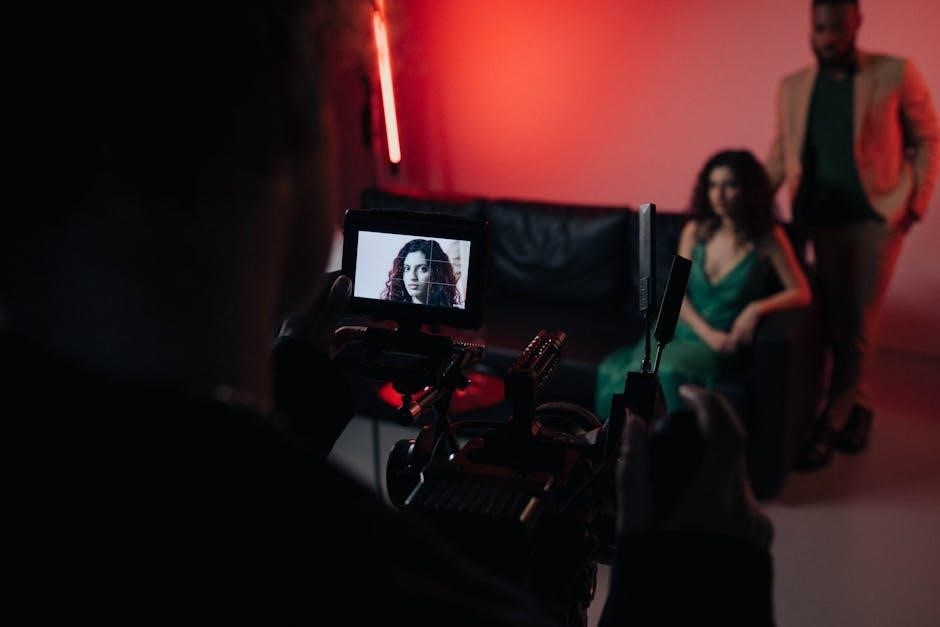
Writing Effective Body Paragraphs
Each paragraph should focus on a specific point supporting your thesis, utilizing evidence from the film.
Analyze how film techniques contribute to your argument, ensuring clear connections between evidence and claims.
Topic Sentences and Focus
Body paragraphs require strong topic sentences that clearly state the main point and its relation to your overall thesis.
These sentences act as mini-arguments, guiding the reader through your analysis and establishing a focused direction for the paragraph’s content.
Ensure each sentence within the paragraph directly supports the topic sentence, avoiding irrelevant details or tangents.
Maintain a consistent focus on the specific aspect of the film you are examining, building a cohesive and persuasive argument throughout your paper.
A well-crafted topic sentence provides clarity and strengthens the logical flow of your film analysis.
Providing Evidence from the Film
Strong film analysis relies on concrete evidence directly extracted from the film itself, not generalized statements.
Support your claims with specific examples – a particular shot, a line of dialogue, a musical cue, or a recurring motif – to demonstrate your interpretation.
Describe these moments in detail, allowing the reader to visualize them and understand their significance within the broader context of the film.
Avoid simply summarizing plot points; instead, focus on how these elements contribute to the film’s meaning and support your thesis.
Precise evidence elevates your paper from opinion to insightful analysis.
Analyzing the Evidence: Connecting to Thesis
Presenting evidence is only half the battle; the crucial step is demonstrating how that evidence supports your central argument – your thesis statement.
Don’t assume the connection is obvious; explicitly explain the link between the specific film element and your overall interpretation.
Consider the implications of the evidence: what does it reveal about the film’s themes, characters, or techniques?
Show, don’t tell. Instead of stating “this scene is symbolic,” explain what it symbolizes and why that symbolism matters.
This analytical process transforms observations into compelling arguments.

Style and Tone in Film Writing
Maintain a formal, academic tone, employing precise language and avoiding colloquialisms when writing about films.
Always format film titles correctly – in italics – throughout your analysis and paper.
Using Precise Language
Film analysis demands clarity and specificity; avoid vague terms like “good” or “bad.” Instead, articulate how a scene evokes a particular emotion or why a specific shot is effective.
Replace generalized statements with concrete details drawn directly from the film. For example, instead of saying “the lighting is dark,” describe it as “low-key lighting with strong chiaroscuro effects, emphasizing the character’s isolation.”
Choose words that accurately convey your observations and interpretations. A nuanced vocabulary demonstrates a deeper understanding of cinematic techniques and strengthens your paper’s credibility. Precision elevates your analysis beyond subjective impressions.
Remember, impactful film writing relies on demonstrating, not merely telling.
Maintaining an Academic Tone
A film analysis paper requires a formal and objective writing style. Avoid colloquialisms, contractions, and overly casual language. Strive for a professional voice that reflects careful thought and scholarly engagement.
While passion for film is valuable, prioritize reasoned arguments supported by evidence. Refrain from using first-person pronouns (“I believe,” “In my opinion”) unless specifically permitted by your instructor.
Focus on analyzing the film’s techniques and their effects, rather than expressing personal preferences. Maintain a detached, analytical perspective throughout your writing, ensuring a credible and insightful analysis.
Objectivity strengthens your argument and demonstrates academic rigor.
Proper Film Title Formatting (Italics)
When writing about films, adhering to correct formatting conventions is crucial for academic credibility. The standard practice is to italicize film titles throughout your analysis paper. This applies to both long-form titles and shorter ones.
For example, instead of writing “I will analyze Citizen Kane,” you should write “I will analyze Citizen Kane.” This simple convention signals to your reader that you are referring to a specific cinematic work.
Consistency is key; always italicize film titles, even within quotations or when discussing multiple films. Proper formatting demonstrates attention to detail and respect for academic standards.
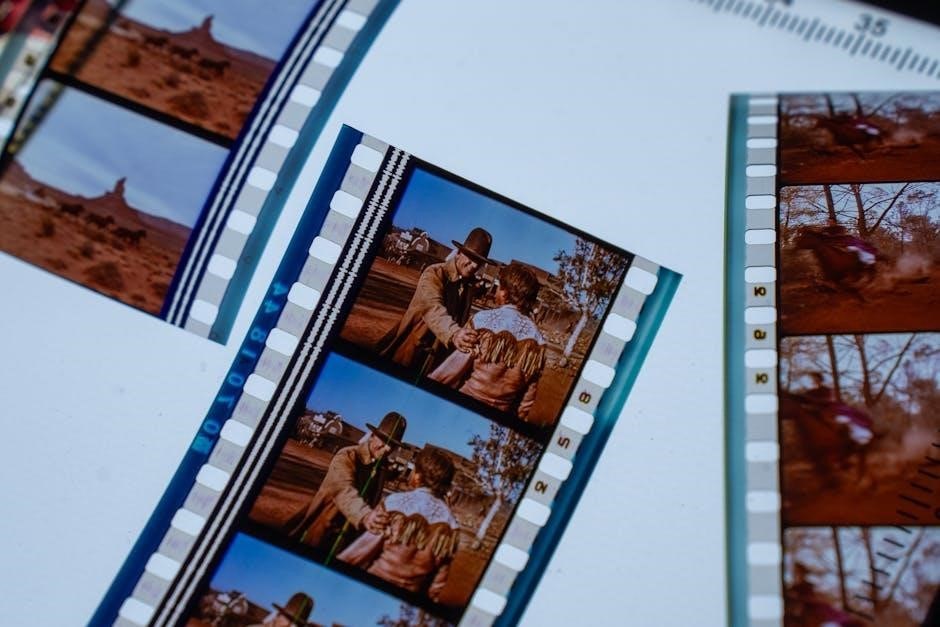
Common Pitfalls to Avoid
Film analysis often suffers from excessive summarization, lacking specific evidence, or neglecting to explore crucial film techniques during the writing process.
Summarizing Instead of Analyzing
A frequent error in film analysis is simply recounting the plot – a descriptive retelling instead of insightful examination. Writing a paper isn’t about stating “what happens” in the film, but rather “how” and “why” it happens.
Avoid lengthy plot synopses; assume your reader has seen the film. Instead, concentrate on dissecting specific scenes, techniques, or motifs.
Focus on interpreting the film’s meaning, exploring its themes, and evaluating its artistic choices. Demonstrate your understanding by analysing the director’s intent and the effect on the audience, not just narrating events.
Remember, analysis requires critical thinking and evidence-based arguments, moving beyond surface-level descriptions.
Lack of Specific Evidence
Strong film analysis demands concrete evidence from the film itself to support your claims. Avoid vague statements like “the cinematography is effective” without detailing how it achieves that effect.
Instead, pinpoint specific shots, camera angles, lighting choices, or editing techniques. Describe these elements precisely and explain their contribution to the film’s overall meaning.
Refer to particular scenes, dialogue exchanges, or musical cues. Writing a compelling paper requires demonstrating your close observation and analytical skills through detailed examples.
Assertions without supporting evidence weaken your argument and diminish your credibility as a film scholar.
Ignoring Film Techniques
A common pitfall in film analysis is overlooking the crucial role of cinematic techniques. A strong paper doesn’t just discuss what happens in a film, but how it’s presented.
Failing to address elements like mise-en-scène, cinematography, editing, and sound design results in a superficial analysis. These techniques aren’t merely stylistic choices; they actively shape meaning.
Consider how camera movements influence emotional impact, or how editing creates rhythm and pacing. Effective writing demonstrates an understanding of these tools and their contribution to the overall narrative.
Remember to analyze these elements, not just identify them, to showcase a deeper understanding of the film.