bonide fruit tree spray instructions
Bonide Fruit Tree Spray Instructions: A Comprehensive Guide
Bonide Fruit Tree Spray is a versatile concentrate, combining insecticide, fungicide, and miticide for comprehensive protection of home garden fruit trees.
Understanding Bonide Fruit Tree Spray
Bonide Fruit Tree Spray is a multi-purpose solution designed for home gardeners seeking to protect their fruit trees from a wide array of pests and diseases. This complete concentrate contains not only insecticides to combat damaging insects like coddling moths and apple maggots, but also fungicides, aphicides, miticides, and scalicides.
Its formulation includes a spreader-sticker, enhancing coverage and ensuring the spray adheres effectively to plant surfaces. The product is conveniently formulated for easy mixing with water, eliminating the need for messy powders or pre-mixing. It’s crucial to remember this spray is intended for home garden use only, not for commercial applications or seed production.
Understanding its broad-spectrum nature is key to utilizing Bonide Fruit Tree Spray effectively and responsibly.
What is Bonide Fruit Tree Spray?
Bonide Fruit Tree Spray is a liquid concentrate, a complete solution formulated to address numerous issues affecting fruit trees in home gardens. It’s a combination product, functioning as an insecticide, fungicide, aphicide, miticide, and scalicide all in one application. This simplifies orchard care, offering broad-spectrum protection against a variety of threats.
The spray is designed to control overwintering insects, with initial applications possible during periods of growth. It effectively targets pests like coddling moths and apple maggits, safeguarding fruit quality and yield. Its unique formulation includes a spreader-sticker, improving coverage and adherence to foliage.
Importantly, it’s a concentrate requiring dilution with water before use, and is specifically for non-commercial, home garden applications.
Key Ingredients and Their Functions
Bonide Fruit Tree Spray’s effectiveness stems from its carefully selected ingredients. While a complete list isn’t always readily available, the product functions as a multi-component solution. It contains insecticides to control damaging pests, safeguarding fruit development and tree health. Fungicides combat fungal diseases that can blight leaves and ruin harvests.
Aphicides target aphids, while miticides address mites – both common fruit tree pests. Scalicides control scale insects, which can weaken trees over time. Crucially, the inclusion of a spreader-sticker ensures the spray adheres effectively to plant surfaces, maximizing coverage and persistence.
This combination simplifies treatment, addressing multiple issues with a single application, though specific ingredient concentrations are proprietary.
Target Pests and Diseases
Bonide Fruit Tree Spray offers broad-spectrum control, targeting numerous pests and diseases impacting fruit trees. Key insect pests addressed include coddling moths, notorious for damaging apples and pears, and apple maggots, which ruin fruit quality. The spray also combats aphids, mites, scale insects, and various other leaf-eating insects.
Regarding diseases, it effectively manages fungal issues common in fruit trees. This includes preventative control against several fungal infections that can cause leaf spots, blights, and fruit rot.
It’s important to consult the product label for a comprehensive list of specifically targeted pests and diseases, as coverage can vary depending on the formulation.
When to Apply Bonide Fruit Tree Spray
Bonide Fruit Tree Spray application timing is crucial for effectiveness. The ideal time for the first application is during the dormant season to control overwintering insects. As growth begins, a second application can be made, but avoid spraying during bloom to protect pollinating insects like bees.
Subsequent applications should occur every 10-14 days, adhering to the Pre-Harvest Interval (PHI) listed on the product label (Table 1). Application timing is also linked to the fruit tree’s stage – pre-bloom and post-bloom spraying strategies exist for optimal pest and disease management.
Dormant Season Application
Dormant season application of Bonide Fruit Tree Spray is a key step in controlling overwintering pests. Apply when trees are dormant, typically before buds swell, but after the coldest part of winter has passed. This timing targets insects hiding in bark crevices and prevents early-season infestations.
This initial spray effectively manages scale, mites, and other pests before they become active. It’s an “ideal time” for application, as stated on product information. Ensure thorough coverage of the tree, including branches and trunk. Remember to follow label instructions regarding temperature restrictions for optimal results during this crucial application period.
Application Timing Based on Fruit Tree Stage
Bonide Fruit Tree Spray application timing is crucial for effectiveness and varies with the fruit tree’s growth stage. Initial applications can begin during the period of growth, targeting overwintering pests. However, protecting pollinators like bees is paramount; avoid spraying during bloom.
Subsequent applications should occur every 10-14 days, adhering to the Pre-Harvest Interval (PHI) listed in Table 1. The spray schedule adapts to the specific fruit tree – apples, peaches, cherries, and plums each have unique needs. Consistent monitoring of pest pressure and tree development will help refine the timing for optimal control throughout the growing season.
Pre-Bloom vs. Post-Bloom Spraying
Bonide Fruit Tree Spray application strategy differs significantly between pre-bloom and post-bloom stages. Pre-bloom sprays, applied before flowers open, primarily target overwintering insect eggs and fungal spores, preventing early-season infestations. However, protecting pollinators is vital; avoid spraying during bloom to prevent harm to bees.
Post-bloom spraying focuses on controlling pests and diseases that emerge after flowering, like coddling moths and apple maggots. Careful adherence to the Pre-Harvest Interval (PHI) is essential post-bloom to ensure safe fruit consumption. Timing is key for maximum efficacy and minimal environmental impact.
How to Mix Bonide Fruit Tree Spray
Bonide Fruit Tree Spray is a concentrate, requiring careful mixing with water for effective application. Typically, a dilution ratio of 1.5 to 2.5 tablespoons per gallon of water is recommended, but always consult the product label for specific instructions. Ensure complete dissolution for even coverage and prevent nozzle clogging.
Water quality matters; use clean, non-chlorinated water. Mixing instructions vary slightly depending on the application method – handheld, hose-end, or backpack sprayer. Thoroughly shake the concentrate before measuring. Avoid preparing more mixture than needed for immediate use, as it loses potency over time.
Determining the Correct Dilution Ratio
The ideal dilution ratio for Bonide Fruit Tree Spray hinges on pest pressure and the tree’s growth stage. Generally, 1.5 tablespoons per gallon suits lighter infestations or preventative applications, while 2.5 tablespoons per gallon addresses heavier issues.
Always prioritize the label’s guidance, as formulations can vary. Younger trees or sensitive varieties may benefit from a weaker solution. Consider the application method; hose-end sprayers often require specific ratios for proper functioning. Accurate measurement is crucial – use a calibrated measuring spoon.
Mixing Instructions for Different Application Methods
For handheld sprayers, thoroughly mix the calculated amount of concentrate with water in the sprayer, ensuring complete dissolution before use. Hose-end sprayers require attaching the concentrate container directly, adjusting the dial to the desired dilution ratio – follow the sprayer’s instructions carefully.
Backpack sprayers benefit from pre-mixing in a separate container for even distribution. Always add water first, then the concentrate, stirring continuously. Regularly check for nozzle clogs, especially with concentrate formulations. Strain the mixture if needed to prevent blockages and ensure consistent application.
Water Quality Considerations
Water pH significantly impacts spray effectiveness; slightly acidic water (pH 6.0-6.5) is generally optimal. Hard water, containing high mineral content, can reduce the spray’s efficacy by causing chemical reactions. If using hard water, consider adding a buffering agent to neutralize minerals.
Well water should be tested for mineral content and potential contaminants before mixing. Municipal water may contain chlorine, which can degrade some active ingredients; allowing it to sit for 24 hours can dissipate chlorine. Always use clean water sources, free from sediment or algae, to prevent nozzle clogging and ensure thorough coverage.
Application Methods
Handheld sprayers are ideal for smaller orchards or individual trees, offering targeted application. Ensure consistent pressure and overlap spray patterns for complete coverage. Hose-end sprayers provide convenience for larger areas, automatically mixing and dispensing the solution; calibrate for accurate dilution.
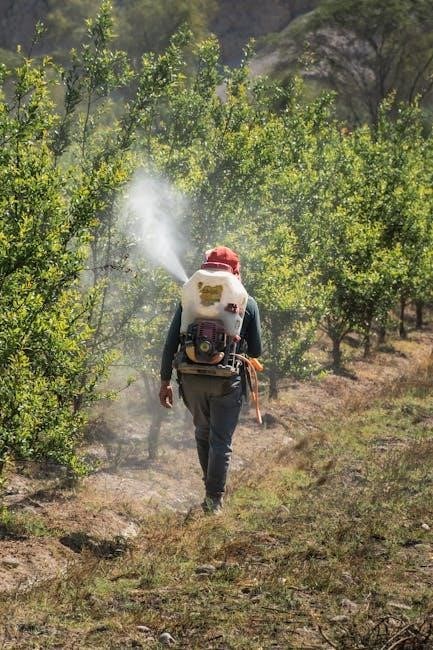
Backpack sprayers are suitable for moderate-sized orchards, offering mobility and capacity. Maintain consistent walking speed and nozzle height for uniform coverage. Regardless of the method, apply until foliage is thoroughly wetted, but avoid runoff. Always follow label instructions for specific application rates and techniques.
Using a Handheld Sprayer
Handheld sprayers are best for smaller trees and targeted applications. Begin by filling the sprayer with the correctly diluted Bonide Fruit Tree Spray mixture, ensuring a secure lid. Test the sprayer’s output to confirm a consistent spray pattern.
Walk around the tree, applying the spray evenly to all parts – leaves, stems, and fruit-bearing wood. Maintain a distance of approximately 12-18 inches from the tree. Overlap each spray pass slightly to guarantee complete coverage. Continue until foliage is thoroughly wetted, but avoid excessive runoff.
Using a Hose-End Sprayer
Hose-end sprayers simplify application for larger trees, delivering consistent coverage. Attach the sprayer to your garden hose and fill the reservoir with the pre-mixed Bonide Fruit Tree Spray solution. Ensure the sprayer is securely connected to prevent leaks.
Turn on the water supply to a low to medium pressure. The sprayer will automatically draw and mix the concentrate with water. Walk around the tree, directing the spray upwards to coat all surfaces – leaves, branches, and trunk. Maintain even coverage, and avoid spraying on windy days to prevent drift.
Using a Backpack Sprayer
Backpack sprayers are ideal for larger orchards or when precise application is needed. Fill the tank with the correctly diluted Bonide Fruit Tree Spray mixture, ensuring proper concentration. Adjust the nozzle for a consistent spray pattern – a coarse spray is generally recommended.
Put on the backpack and walk around each tree, thoroughly coating all foliage, including the undersides of leaves, and extending to the trunk. Maintain a consistent distance and pace for even coverage. Regularly check the tank level and nozzle for clogs. Avoid spraying during windy conditions to minimize drift and maximize effectiveness.
Safety Precautions
Prioritize safety when applying Bonide Fruit Tree Spray. Always wear appropriate Personal Protective Equipment (PPE), including gloves, long sleeves, long pants, and eye protection – goggles are preferred. A respirator is recommended to avoid inhaling spray mist.
Protect pollinators! Do not spray during bloom when bees are actively foraging. Consider spraying in the early morning or late evening when bee activity is minimal. Be mindful of environmental considerations; avoid spraying near waterways or areas where runoff could occur. Store the concentrate securely, out of reach of children and pets.
Personal Protective Equipment (PPE)
Essential PPE is crucial when handling Bonide Fruit Tree Spray. Always wear chemical-resistant gloves to prevent skin contact. Protective eyewear, such as goggles, is vital to shield your eyes from spray drift. Long-sleeved shirts and long pants minimize skin exposure.
A respirator is highly recommended, especially during prolonged spraying, to avoid inhaling the spray mist. Ensure the respirator is properly fitted and approved for pesticide use. Wash PPE thoroughly after each use, and store it separately from personal clothing. Following these guidelines significantly reduces potential health risks during application.
Protecting Pollinators
Protecting bees and other pollinators is paramount when using Bonide Fruit Tree Spray. Avoid spraying during bloom when pollinators are actively foraging. The first application should ideally occur before the trees blossom. If spraying is necessary during bloom, apply in the late evening when pollinators are less active.
Consider using covered hives or temporarily relocating them during spraying. Choose application methods that minimize drift, like using a low-pressure sprayer and avoiding windy conditions. Prioritizing pollinator safety ensures continued fruit set and a healthy orchard ecosystem. Always read the label for specific pollinator precautions.
Environmental Considerations
Responsible application of Bonide Fruit Tree Spray minimizes environmental impact. Avoid overspraying and drift onto non-target plants, lawns, or waterways. Utilize appropriate application techniques, such as low-pressure spraying, to reduce airborne particles. Properly dispose of any leftover spray mixture and empty containers according to local regulations.
Consider the potential effects on beneficial insects beyond pollinators. While targeting pests, strive to maintain a balanced ecosystem. Avoid spraying near bodies of water and during rainy conditions to prevent runoff. Following label instructions diligently is crucial for environmentally sound pest and disease management.
Specific Application Schedules
Application timing varies by fruit tree type. For apple and pear trees, begin with dormant spray, followed by applications at petal fall and again every 10-14 days, adhering to the Pre-Harvest Interval (PHI). Peach and nectarine trees require similar timing, but earlier sprays are crucial due to earlier pest emergence.
Cherry and plum trees benefit from dormant oil and sprays timed to coincide with bud swell and petal fall. Subsequent applications should be made based on pest pressure, maintaining the recommended spray interval. Always consult the product label’s Table 1 for specific PHI guidelines for each fruit type, ensuring safe harvest.
Apple and Pear Trees
Bonide Fruit Tree Spray application for apple and pear trees begins with a dormant spray to control overwintering insects. Follow this with a crucial spray at petal fall to target coddling moths and other early-season pests. Continue applications every 10-14 days, diligently monitoring for pests like apple maggot.
Pay close attention to the Pre-Harvest Interval (PHI) listed on the label to ensure safe fruit consumption. Avoid spraying during bloom to protect pollinating bees. Proper timing and adherence to dilution ratios are vital for effective pest and disease control, resulting in a bountiful harvest of healthy fruit.
Peach and Nectarine Trees
Bonide Fruit Tree Spray requires a specific schedule for peach and nectarine trees due to their susceptibility to diseases like peach leaf curl. A dormant spray is essential before bud swell to combat overwintering fungal spores. Following petal fall, continue applications every 10-14 days, focusing on controlling pests such as peach tree borers.
Carefully observe the Pre-Harvest Interval (PHI) to guarantee safe fruit consumption. Avoid spraying during bloom to safeguard pollinators. Consistent monitoring and adherence to label instructions are crucial for managing pests and diseases effectively, leading to a healthy yield of delicious peaches and nectarines.
Cherry and Plum Trees
Bonide Fruit Tree Spray application for cherry and plum trees demands attention to specific pest and disease pressures. A dormant oil spray is vital for controlling scale and overwintering insects before bud break. Post-bloom, target brown rot and cherry leaf spot with regular sprays every 10-14 days, adhering to the product’s PHI.
Protecting against pests like plum curculio is also key. Always avoid spraying during bloom to protect vital pollinators. Diligently follow label directions for dilution ratios and application timing to ensure effective control and a safe, bountiful harvest of cherries and plums.
Troubleshooting Common Issues
Spray burn, appearing as scorched leaves, often results from applying Bonide Fruit Tree Spray during hot weather or at excessive concentrations; prevention involves spraying during cooler periods and precise dilution. Ineffective spraying can stem from insufficient coverage, incorrect mixing, or pest resistance – ensure thorough application and rotate insecticides if needed.
Residue on fruit is usually manageable with proper washing before consumption, but adhering to the Pre-Harvest Interval (PHI) is crucial. If issues persist, review the label and consider adjusting your spray schedule. Always prioritize safety and follow all product guidelines for optimal results.
Spray Burn Symptoms and Prevention
Spray burn manifests as scorched or discolored foliage, typically appearing shortly after application, especially under warm conditions. This damage occurs when the spray concentrate is too strong or applied during the hottest part of the day. Prevention centers around careful adherence to dilution instructions – using the correct ratio of spray to water is paramount.
Avoid spraying when temperatures exceed 90°F or when trees are stressed from drought. Always test the spray on a small, inconspicuous area of the tree first. Proper timing and dilution are key to avoiding phytotoxicity and ensuring the health of your fruit trees.
Ineffective Spraying: Reasons and Solutions
Ineffective spraying often stems from insufficient coverage, improper mixing, or applying the spray at the wrong time in the pest’s life cycle. Ensure thorough coverage of all leaf surfaces, including undersides, where many pests reside. Solutions include verifying the correct dilution ratio and using a sprayer that delivers a consistent, fine mist.
Repeated applications, every 10-14 days, are often necessary for effective control, particularly for pests with multiple life stages. Consider weather conditions; rain can wash away the spray, necessitating reapplication. Always follow the label’s recommended schedule for optimal results.
Dealing with Residue on Fruit
Fruit residue after Bonide spray application is a common concern. Thorough washing of harvested fruit with cool water is crucial to remove any remaining spray. Gentle scrubbing can aid in residue removal, but avoid harsh abrasives that could damage the fruit’s skin.
Adhering to the Pre-Harvest Interval (PHI), as indicated on the product label, is paramount. This ensures sufficient time for the spray to break down before harvest, minimizing residue. Proper application techniques, avoiding excessive spraying, also reduces residue levels. Always prioritize food safety and follow label instructions diligently.
Pre-Harvest Interval (PHI)
The Pre-Harvest Interval (PHI) is the specified timeframe between the last Bonide Fruit Tree Spray application and when the fruit can be safely harvested for consumption. This interval is critical for allowing the spray to degrade to safe levels, ensuring minimal residue on the fruit.
PHI varies depending on the fruit type, as detailed in Table 1 on the product label. Ignoring the PHI can result in unacceptable residue levels. Always consult the label for the specific PHI applicable to your fruit trees. Adhering to the PHI is essential for responsible and safe fruit production.
Understanding PHI and its Importance
The Pre-Harvest Interval (PHI) represents the minimum number of days that must pass between the final pesticide application and the legal harvest of the treated crop. Understanding PHI is paramount for ensuring food safety and complying with regulatory standards. It allows sufficient time for the pesticide residue to break down to acceptable levels.
Its importance lies in protecting consumers from potentially harmful chemical exposure. Ignoring the PHI can lead to exceeding established tolerance levels, rendering the fruit unsafe for consumption. Always prioritize adherence to the specified PHI on the Bonide Fruit Tree Spray label for each fruit type.
PHI for Different Fruits
Bonide Fruit Tree Spray’s Pre-Harvest Interval (PHI) varies depending on the fruit being treated, as outlined in Table 1 on the product label. For apples and pears, the PHI is typically 7 days, allowing a week between the last spray and harvest. Peach and nectarine trees generally require a 14-day PHI, demanding a longer wait period.
Cherry and plum trees also often have a 14-day PHI. Always consult the product label for the most accurate and up-to-date information, as these intervals can be subject to change based on regulatory updates. Strict adherence to these guidelines ensures safe and compliant fruit production.
Ensuring Safe Harvest
Safe harvesting with Bonide Fruit Tree Spray relies on diligently observing the Pre-Harvest Interval (PHI) for each fruit type. Thoroughly wash all harvested fruit to remove any potential residue, even if the PHI has been strictly followed. Discard any fruit exhibiting signs of spray burn or unusual discoloration.
Prior to harvest, review the product label for specific recommendations regarding washing and handling procedures. Proper ventilation during application and adherence to safety precautions minimize potential exposure. By following these guidelines, you can confidently enjoy a bountiful and safe harvest from your treated fruit trees, ensuring both quality and peace of mind.