invisalign instructions
Invisalign Instructions: A Comprehensive Guide
Invisalign aftercare involves consistent retainer wear, diligent cleaning, avoiding smoking, and committing to regular professional hygienist appointments to maintain your newly straightened smile effectively․
Initial Setup & First Week

Congratulations on starting your Invisalign journey! The first week is crucial for adaptation․ Upon receiving your aligners, ensure they fit snugly – a slight pressure is normal․ You’ll likely receive several sets initially, so follow the prescribed schedule meticulously, changing to a new aligner every one to two weeks as directed by your orthodontist․
Expect some initial discomfort or soreness as your teeth begin to shift․ This is temporary and usually subsides within a few days․ Over-the-counter pain relievers can help manage any discomfort․ Focus on consistent wear; aim for 20-22 hours daily, removing them only for eating, drinking (except water), brushing, and flossing․
During this initial phase, practice inserting and removing your aligners correctly․ Use the provided tool to gently seat and remove them, avoiding excessive force․ Be patient with yourself as you adjust to this new routine․ Consistent effort during the first week sets the foundation for successful treatment․ Remember to clean your aligners daily!
Understanding Your Aligner Case & Handling
Your aligner case is your aligners’ best friend! Always store your aligners in the case whenever they are not in your mouth – this protects them from damage, loss, and potential warping․ Never wrap them in napkins or place them on surfaces where they could be accidentally discarded․
Handle your aligners with care․ They are made of a durable plastic, but excessive force or heat can distort their shape․ When removing or inserting, use your fingers – avoid using fingernails or sharp objects․ Rinse your aligners with cool water after removal, but never use hot water, as it can warp the plastic․
Inspect your aligners regularly for any cracks or damage․ If you notice any issues, contact your orthodontist immediately․ Proper handling and storage are essential for maintaining the integrity of your aligners and ensuring your treatment progresses smoothly․ A dedicated case keeps them safe and accessible!
Aligner Insertion & Removal Techniques
Inserting your aligners should be a smooth process․ Gently flex the aligner to open it slightly, then position it over your upper teeth, starting with the back teeth․ Use your fingers to apply even pressure, guiding the aligner over each tooth until it’s fully seated․ Repeat for the lower aligner․
Removing your aligners requires a gentle approach․ Use your thumbs to gently pry the aligner away from your teeth, starting from the back․ Work your way around the mouth, gradually loosening the aligner until it comes free․ Avoid forcing or pulling, as this could damage the aligners or your teeth․
Practice makes perfect! It may take some time to become comfortable with the insertion and removal process․ If you experience difficulty, consult your orthodontist for guidance․ Remember to always wash your hands before handling your aligners to maintain good oral hygiene․
Cleaning Your Aligners: Daily Routine
Maintaining clean aligners is crucial for oral health and treatment success․ Each time you remove your aligners, rinse them thoroughly with cool water to remove saliva and debris․ Avoid using hot water, as it can warp the plastic․
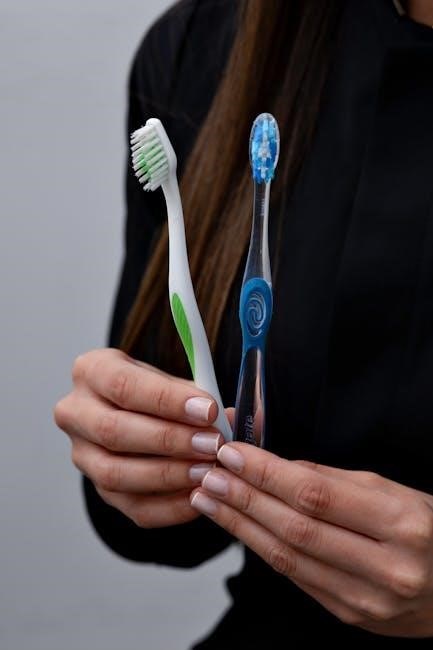
Daily cleaning involves brushing your aligners gently with a soft-bristled toothbrush and a mild, fragrance-free soap․ Avoid using toothpaste, as it can scratch the aligner material, creating areas for bacteria to accumulate․ Pay attention to all surfaces, ensuring no residue remains․
Weekly soaking is also recommended․ Place your aligners in a denture-cleaning solution (specifically designed for aligners) for about 30 minutes to eliminate bacteria and freshen them up․ Rinse thoroughly with cool water before reinserting․ Proper cleaning prevents discoloration and odor, ensuring your aligners remain hygienic throughout your treatment․
Dealing with Initial Discomfort & Soreness
Expect some discomfort when you first start wearing Invisalign or switch to a new set of aligners․ This is perfectly normal and indicates the aligners are working to gently shift your teeth․ A slight pressure or soreness is common, typically subsiding within a few days․
Over-the-counter pain relievers, such as ibuprofen or acetaminophen, can help manage any discomfort․ Chewing on an aligner chew toy can also provide gentle pressure to help seat the aligners and alleviate soreness․ Ensure you’re consistently wearing your aligners, even if slightly uncomfortable, as this promotes faster adaptation․

If discomfort is severe or prolonged, contact your orthodontist․ They can assess the situation and offer solutions, such as minor adjustments or advice on managing the soreness․ Remember, initial discomfort is temporary, and the benefits of a straighter smile are well worth it․

Maintaining Progress Throughout Treatment
Consistent wear of aligners for 20-22 hours daily, diligent tracking via the Invisalign app, and prompt attention to lost or damaged aligners are crucial for optimal results․
Wearing Schedule: The 20-22 Hour Rule
Adhering to the 20-22 hour rule is paramount for successful Invisalign treatment․ Your aligners are designed to gently and gradually shift your teeth, but this process relies heavily on consistent wear․ Each aligner is programmed for a specific duration, and removing them for extended periods disrupts this carefully planned sequence․
Ideally, aligners should only be removed for eating, drinking (anything other than water), brushing, and flossing․ The more consistently you wear them, the more predictable and efficient your tooth movement will be․ Short periods of removal won’t drastically impact progress, but consistently falling short of the 20-22 hour mark can lead to delays and potentially require adjustments to your treatment plan․
Think of your aligners as full-time orthodontic appliances․ While they offer the convenience of removability, they function most effectively when worn as directed․ Consider setting reminders, especially during the initial adjustment period, to ensure you’re meeting the required wear time․ Prioritizing consistent wear is a key investment in achieving your desired smile!
Tracking Your Progress with Invisalign App
The Invisalign app is a powerful tool designed to enhance your treatment experience and keep you informed every step of the way․ It goes beyond simply reminding you to change aligners; it actively monitors your wear time, providing valuable data on your compliance with the 20-22 hour rule․ This feature allows both you and your orthodontist to identify any potential issues early on, ensuring your treatment stays on track․
The app often includes a virtual smile preview, allowing you to visualize the anticipated changes to your teeth throughout the treatment process․ Many versions also offer a platform for direct communication with your orthodontist, enabling you to easily ask questions or address concerns․ Regularly uploading photos through the app can also assist your provider in remotely monitoring your progress․
Utilizing the app’s features empowers you to take an active role in your orthodontic journey․ Consistent engagement with the app fosters a collaborative approach between you and your dental team, ultimately contributing to a more successful and satisfying Invisalign experience․
What to Do If You Lose or Damage an Aligner
Losing or damaging an Invisalign aligner can happen, and it’s crucial to address it promptly to avoid setbacks in your treatment․ First, immediately contact your orthodontist’s office․ Do not attempt to continue treatment with a missing or damaged aligner, as this can shift your teeth out of alignment and prolong the overall process․
Your orthodontist will assess the situation and determine the best course of action․ They may instruct you to move to the next aligner in the series, or they might order a replacement of the lost or damaged aligner․ The cost of a replacement can vary, so it’s wise to understand your insurance coverage and any associated fees․
To minimize the risk of loss, always store your aligner in its case when not in your mouth․ Handle aligners with care, avoiding excessive heat or bending․ Prompt action and communication with your orthodontist are key to maintaining progress and ensuring a successful Invisalign journey․
Dietary Considerations During Invisalign Treatment
Maintaining a mindful diet is essential during Invisalign treatment to protect your aligners and ensure optimal results․ While aligners are removable for eating, certain foods and beverages should be avoided while wearing them to prevent damage or staining․
Avoid chewing gum, as it can stick to the aligners․ Steer clear of hard, sticky, or crunchy foods like nuts, popcorn, hard candies, and ice․ These can potentially crack or warp the aligners․ Similarly, limit sugary drinks, coffee, tea, and red wine, as they can discolor the plastic․
When you do eat or drink anything other than water, remove your aligners․ Brush your teeth before reinserting them to prevent trapping food particles against your teeth․ Consistent oral hygiene, combined with careful dietary choices, will contribute significantly to a successful and comfortable Invisalign experience․ Remember to always prioritize aligner protection!

Post-Treatment & Retention
Retainer wear is crucial post-Invisalign to maintain alignment; consistent use prevents shifting․ Regular dental check-ups are also vital for long-term stability and oral health․
The Importance of Retainer Wear
Following Invisalign treatment, retainer wear isn’t merely recommended – it’s absolutely essential for preserving your beautiful, newly aligned smile․ Teeth possess a natural tendency to gradually shift back towards their original positions, a phenomenon known as relapse․ Retainers act as a steadfast defense against this, holding your teeth securely in their corrected alignment․
Consistent retainer use, as prescribed by your dentist, is paramount․ The initial period often involves full-time wear, gradually transitioning to nighttime use․ This schedule ensures long-lasting results and minimizes the risk of unwanted movement․ Neglecting retainer wear can lead to noticeable shifts over time, potentially requiring further orthodontic intervention to correct․
Beyond preventing shifting, retainers contribute to gum tissue stabilization and maintain the bite’s integrity․ They are a vital component of the overall Invisalign experience, safeguarding your investment in a healthier, more confident smile․ Think of retainers not as a temporary fix, but as a lifelong commitment to maintaining the results you’ve achieved․
Types of Retainers: Wire vs․ Clear

After completing Invisalign, you’ll typically be presented with two primary retainer options: traditional wire retainers and clear plastic retainers․ Wire retainers, often referred to as Hawley retainers, consist of an acrylic base and a metal wire that precisely follows the contours of your teeth․ They are exceptionally durable and offer robust retention, making them a long-lasting choice․

Clear retainers, resembling your Invisalign aligners, are made from a transparent thermoplastic material․ They are virtually invisible, offering a discreet aesthetic appeal․ While generally comfortable and convenient, clear retainers may be more prone to wear and tear compared to wire retainers, requiring careful handling and potential replacement over time․
The optimal choice depends on individual needs and preferences, as well as your orthodontist’s recommendation․ Factors considered include the complexity of your case, your bite stability, and your lifestyle․ Both types effectively maintain your results when worn consistently, ensuring your smile remains beautifully aligned for years to come․
Retainer Cleaning & Care Instructions
Maintaining impeccable retainer hygiene is crucial for preventing bacterial buildup and ensuring optimal oral health․ Daily cleaning involves gently brushing your retainer with a soft-bristled toothbrush and non-abrasive toothpaste․ Avoid harsh chemicals or scouring agents, as these can damage the material․
At least once a week, soak your retainer in a denture-cleaning solution specifically designed for retainers․ This helps eliminate stubborn plaque and bacteria․ Rinse thoroughly with cool water after soaking․ Never use hot water, as it can warp the retainer’s shape․
When not in use, store your retainer in its protective case to shield it from damage and contamination․ Avoid leaving it exposed to heat or direct sunlight․ Regularly inspect your retainer for any signs of cracks or damage, and promptly report any issues to your dentist․ Proper care extends the lifespan of your retainer and safeguards your investment in a beautiful smile․
Potential for Tooth Shifting & How to Prevent It
While Invisalign effectively straightens teeth, a natural tendency for teeth to subtly shift exists over time․ This is a biological process, but diligent retainer wear is the primary defense against unwanted movement․ Failing to adhere to the prescribed retainer schedule – whether full-time or nightly – significantly increases the risk of relapse․
Even with consistent retainer use, minor adjustments may occasionally be necessary․ Regular dental check-ups are vital for monitoring tooth position and addressing any emerging shifts promptly․ Lifestyle factors, such as teeth grinding (bruxism), can accelerate shifting, so consider a night guard if you experience this․
Maintaining good oral hygiene and avoiding excessive force on your teeth also contribute to stability․ Remember, your retainer is a long-term investment in preserving your beautiful, straight smile, and consistent commitment is key to preventing future orthodontic issues․
Regular Dental Check-ups After Invisalign
Post-Invisalign, consistent dental check-ups are crucial, extending beyond simply verifying retainer fit․ Your dentist will meticulously monitor tooth stability, assessing for any subtle shifts that may occur over time․ These evaluations aren’t just about relapse prevention; they encompass a comprehensive oral health assessment․
Professional cleanings remove plaque and tartar buildup, safeguarding against gum disease and cavities – risks that can be heightened after orthodontic treatment․ Your dentist can also identify and address any emerging issues, like bruxism (teeth grinding), which can compromise treatment results․
Bring your retainer to each appointment for a professional evaluation of its fit and integrity․ Early detection of wear and tear allows for timely replacement, ensuring continued effectiveness․ These regular visits are a proactive step in maintaining your investment and enjoying a healthy, confident smile for years to come․