nissan titan with manual transmission
Nissan Titan with Manual Transmission: A Comprehensive Overview (as of 02/07/2026)
Nissan Titan models‚ spanning 2004-2015‚ occasionally featured manual transmissions‚ offering a unique driving experience. Parts availability‚ including differentials and mounts‚ remains consistent.
The Nissan Titan‚ primarily known for its robust automatic transmissions‚ surprisingly offered a manual transmission option across several model years – specifically from 2004 through 2015. This configuration caters to enthusiasts desiring greater control and a more engaging driving experience. While not as common as its automatic counterpart‚ the manual Titan holds a special place within the truck community.
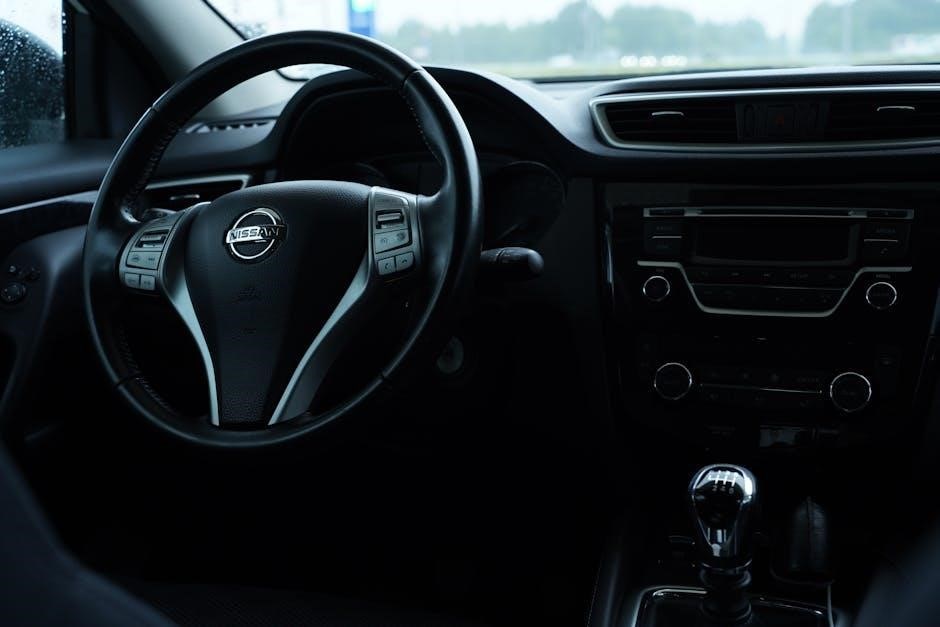
The availability of a five-speed manual gearbox distinguishes these Titans‚ making them increasingly sought after. Owners appreciate the direct connection and the ability to fully manage gear selection. However‚ understanding the nuances of this system‚ including potential issues like accidental activation of manual mode via shifter buttons‚ is crucial for proper operation and longevity. Finding replacement parts‚ like transmission mounts‚ is generally feasible through various automotive suppliers.
Historical Context: Availability of Manual Titans
The manual transmission option for the Nissan Titan emerged during the first generation (2004-2015) of the full-size pickup. It wasn’t a consistently offered feature across all trim levels or years; its presence varied. Initial production runs saw a more frequent inclusion of the five-speed manual‚ appealing to buyers prioritizing driver involvement.
As the Titan evolved‚ demand shifted towards automatic transmissions‚ leading to a gradual decline in manual availability. By the later years of the first generation‚ finding a manual Titan became increasingly rare. Currently‚ locating a well-maintained example requires dedicated searching. Used transmissions with around 210‚000 miles are sometimes available‚ highlighting the durability of these units‚ though careful inspection is always recommended before purchase.
Why a Manual Titan is Sought After
Enthusiasts actively seek out manual transmission Nissan Titans for a distinctly engaging driving experience‚ a rarity in the full-size truck segment. The manual offers greater control over gear selection‚ appealing to those who enjoy a more connected feel while towing or navigating challenging terrain.
Furthermore‚ the manual transmission Titans often command a premium due to their relative scarcity. Many view them as collector’s items or appreciate the simplicity and potential reliability compared to complex automatic systems. The ability to avoid unintended “automatic mode” activation‚ as reported in forums‚ is also a draw. Upgrades like short-throw shifters further enhance the driving experience‚ making these Titans highly desirable.

Technical Specifications & Identification
Nissan Titan manual transmissions utilized specific codes; identifying model years 2004-2015 is crucial. Gear ratios impact performance‚ and verifying details is essential.
Transmission Codes and Variations
Identifying the precise transmission code for a Nissan Titan with a manual gearbox is paramount for accurate parts sourcing and repair information. While comprehensive official documentation is scarce‚ enthusiasts have identified variations primarily linked to the model year and 4×4 configuration. The core manual transmission used across many Titan years appears consistent‚ but subtle internal component changes may exist.
There isn’t a widely publicized list of distinct transmission codes like those found in some other vehicle manufacturers. Instead‚ referencing the Vehicle Identification Number (VIN) and cross-referencing with parts suppliers is the most reliable method. Aftermarket suppliers often categorize based on model year and drivetrain. Understanding these nuances is vital when ordering clutches‚ gears‚ or rebuild kits. Variations may also stem from minor production runs or supplier changes over the 2004-2015 production span.
Identifying a Manual Transmission Titan (Model Years)
Pinpointing a Nissan Titan equipped with a manual transmission requires careful consideration of the model year. Manual Titans were primarily available from 2004 through 2015‚ though availability varied. They weren’t offered every year within that range‚ and 4×4 models were more commonly found with the manual option.
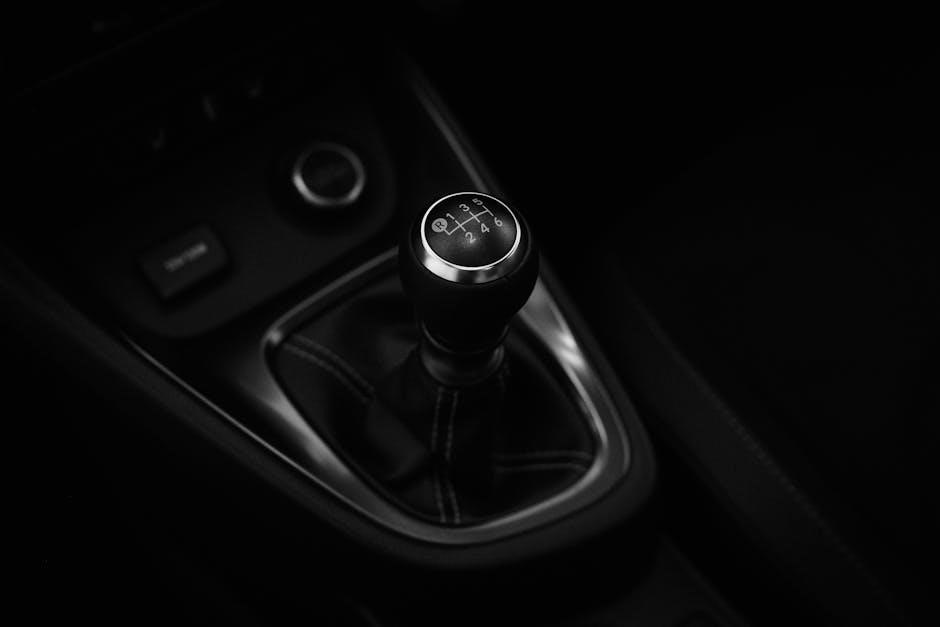
Generally‚ earlier Titans (2004-2007) had a higher probability of being equipped with a five-speed manual. Later models (2008-2015) saw a decrease in manual transmission availability. Checking the VIN with a Nissan dealership or utilizing online VIN decoders is the most definitive method. Visual inspection of the shifter – confirming a traditional gear lever instead of a column or electronic shifter – is a quick initial indicator‚ but VIN verification is crucial for accuracy.
Gear Ratios and Performance Characteristics
The Nissan Titan’s five-speed manual transmission delivers a robust driving experience‚ prioritizing workhorse capability over outright speed. Specific gear ratios vary slightly depending on the axle configuration‚ but generally offer a deep first gear for towing and hauling. This setup provides substantial low-end torque multiplication‚ beneficial for challenging terrains and heavy loads.
Expect a relatively conservative final drive ratio‚ balancing acceleration with fuel efficiency at highway speeds. The manual transmission allows for precise control‚ enabling drivers to maintain optimal engine RPM for various conditions. Performance characteristics emphasize durability and usability‚ rather than sporty responsiveness‚ aligning with the Titan’s intended purpose as a full-size pickup.
Components of the Nissan Titan Manual Transmission
Key components include the gearbox‚ a robust clutch system‚ precise shifter linkages‚ and a compatible differential – all vital for reliable operation.
Gearbox Internals: A Detailed Look
The Nissan Titan’s manual transmission gearbox is a durable unit‚ designed to handle the truck’s substantial torque output. Internally‚ it features a series of hardened steel gears‚ meticulously cut for smooth and efficient power transfer. These gears are arranged to provide five forward speeds and reverse‚ enabling optimal performance across various driving conditions.
Synchromesh mechanisms are crucial‚ facilitating seamless gear changes by matching the speeds of the gears before engagement. Bearings support the rotating shafts‚ minimizing friction and ensuring longevity. The housing itself is typically cast iron‚ providing rigidity and thermal management. Careful inspection reveals robust construction intended for demanding use‚ and proper lubrication is paramount for sustained operation. The internal components work in harmony to deliver a connected driving experience.
Clutch System: Type and Maintenance
The Nissan Titan manual transmission utilizes a traditional hydraulic clutch system. This system employs a pressure plate‚ clutch disc‚ and release bearing to disengage the engine from the transmission‚ allowing for smooth gear changes. Regular inspection of the clutch disc’s friction material is vital; wear indicates impending failure.
Hydraulic fluid levels should be checked periodically‚ and any leaks addressed promptly to maintain consistent pedal feel. Performance clutch upgrades are available for those seeking increased torque capacity. Proper “break-in” procedures are essential for new clutches to prevent glazing and ensure optimal engagement. Ignoring clutch maintenance can lead to slippage‚ difficulty shifting‚ and ultimately‚ costly repairs. A well-maintained clutch is key to a pleasurable driving experience.
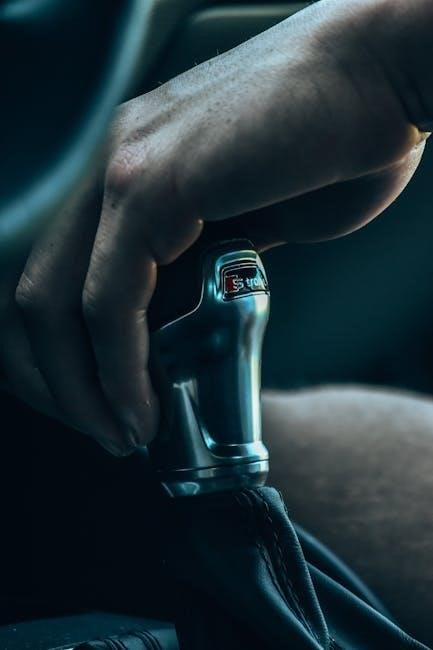
Shifter Mechanism and Linkages
The Nissan Titan’s manual transmission shifter mechanism relies on a series of linkages connecting the shift lever to the transmission’s internal selector forks. These linkages are crucial for precise gear engagement. Owners should inspect these components for wear‚ looseness‚ or damage‚ as play in the system can result in imprecise shifting or difficulty selecting gears.
Short throw shifter kits are a popular upgrade‚ reducing throw distance for quicker shifts. However‚ proper installation is critical. Accidental activation of manual mode via shifter buttons is a known issue; holding the button returns it to automatic. Maintaining proper lubrication of pivot points within the linkage ensures smooth operation and longevity. Regular checks prevent frustrating shifting problems.
Differential and Axle Compatibility
When working with a Nissan Titan manual transmission‚ understanding differential and axle compatibility is vital. Front manual transmission differentials‚ specifically those compatible with models from 2004-2014‚ are readily available as aftermarket “race” components. Ensuring the correct differential ratio matches the transmission and axle setup is paramount for optimal performance and preventing drivetrain stress.
Axle compatibility generally isn’t a significant concern when maintaining stock configurations. However‚ when upgrading axles for increased strength‚ verifying compatibility with both the manual transmission output shaft and the chosen differential is essential. Proper gear mesh and alignment are critical during installation to avoid premature wear and noise.
Common Issues and Troubleshooting
Nissan Titan manual transmissions can experience shifting problems or clutch failures. Accidental activation of manual mode via shifter buttons is frequently reported.
Typical Failure Points in Manual Titans
Nissan Titan manual transmissions‚ while robust‚ exhibit specific failure points over time. Clutch wear is a primary concern‚ especially with heavy use or aggressive driving styles‚ requiring eventual replacement. Transmission mounts‚ particularly the rear mount (AUTO DN brand options available for 2004-2015 models)‚ are prone to deterioration‚ leading to increased vibration and noise.
Internal gearbox components‚ after exceeding 210‚000 miles (as seen in some recycled units)‚ can show signs of wear‚ manifesting as difficulty shifting or unusual noises. Differential issues‚ though less common‚ can arise‚ necessitating component replacement – compatible race differentials are available for various model years (2004-2014). Regular fluid checks and timely maintenance are crucial to mitigate these potential failures and extend the transmission’s lifespan.
Addressing Shifting Problems
Difficulty shifting in a Nissan Titan manual transmission often stems from several causes. A worn clutch‚ failing to fully disengage‚ is a frequent culprit. Low or contaminated transmission fluid can also hinder smooth gear changes. Occasionally‚ accidental activation of manual mode via the shifter buttons (holding the “-” button returns to automatic) can mimic shifting issues.
Inspect the shifter linkages for looseness or damage. Internal gearbox problems‚ particularly after high mileage‚ may require professional diagnosis and repair. Ensure proper clutch adjustment and consider a performance clutch upgrade if frequent heavy hauling is involved. Thoroughly check fluid levels and condition before pursuing more complex repairs.
Clutch Issues: Diagnosis and Repair
Nissan Titan manual transmission clutch problems manifest as slipping‚ difficulty engaging gears‚ or a spongy pedal feel. Diagnosis begins with inspecting the clutch disc‚ pressure plate‚ and throw-out bearing for wear. A failing clutch master or slave cylinder can also cause issues.
Repair typically involves replacing the entire clutch kit – disc‚ plate‚ and bearing. Consider a performance clutch upgrade if the original is insufficient for increased power or towing. Ensure proper alignment during installation to prevent premature failure. Inspect and replace the rear manual transmission mount (2004-2015 models) concurrently‚ as vibrations can contribute to clutch wear.
Transmission Mounts and Their Importance
Nissan Titan manual transmission mounts are crucial for isolating vibrations and securing the transmission to the chassis. Deteriorated mounts lead to excessive movement‚ impacting shift quality and potentially damaging the transmission or floor pan. 2004-2015 Titans are susceptible to mount failure over time‚ especially with higher mileage.
Symptoms include clunking noises during gear changes or acceleration‚ and increased vibration felt in the cabin. Replacement is relatively straightforward‚ involving unbolting the old mount and installing a new one. AUTO DN offers rear manual transmission mounts specifically for 2004-2015 models. Regularly inspect mounts during routine maintenance‚ particularly around 210‚000 miles‚ to prevent more significant issues.
Parts and Upgrades
Nissan Titan manual transmission parts‚ like differentials and clutches‚ are available from sources like Amazon and Toms Foreign Auto Parts for models up to 2015.
Sourcing Replacement Parts
Finding replacement parts for the Nissan Titan manual transmission requires a multi-faceted approach. Online retailers like Amazon.com offer a wide selection‚ including front differential race kits compatible with models from 2004-2014‚ and rear transmission mounts for the broader 2004-2015 range. Specialized auto parts suppliers‚ such as Toms Foreign Auto Parts‚ provide used transmissions‚ often with mileage disclosures – one example cited had 210‚000 miles.
When sourcing‚ verifying compatibility with your specific model year is crucial. Used parts should be inspected carefully for wear. Core charges may apply when purchasing remanufactured units‚ as seen with Powertrain Products. Considering both new and used options expands availability and potentially reduces costs‚ but prioritize quality and proper fitment for optimal performance and longevity.
Performance Clutch Upgrades
For Nissan Titan owners seeking enhanced performance from their manual transmission‚ clutch upgrades are a key modification. While specific aftermarket options weren’t directly detailed in the provided sources‚ the inherent benefits of a performance clutch are applicable. Upgrading to a heavier-duty clutch kit can handle increased torque‚ crucial for modified Titans or those engaged in towing and hauling.
Lightweight flywheels‚ often paired with performance clutches‚ reduce rotational inertia‚ improving engine responsiveness. Selecting the right clutch depends on intended use; options range from daily-driver friendly to aggressive track-focused setups. Proper installation is vital to avoid premature wear or damage. Researching reputable brands and consulting with experienced mechanics is highly recommended before investing in a performance clutch system.
Short Throw Shifter Options
Currently‚ readily available information regarding dedicated short throw shifter kits specifically designed for the Nissan Titan’s manual transmission is limited within the provided sources. However‚ the desire for quicker‚ more precise shifts is a common modification for manual transmission vehicles. A short throw shifter reduces the distance the lever travels between gears‚ resulting in faster shifts and a more connected driving experience.
Owners may explore custom fabrication or adaptation of shifters from similar vehicles‚ though this requires significant mechanical skill. Investigating online forums dedicated to the Nissan Titan and manual transmission swaps could reveal community-developed solutions or recommendations. Ensuring compatibility with the Titan’s shifter linkages is paramount for a successful installation and optimal performance.
Differential Upgrades for Manual Titans
For Nissan Titans equipped with manual transmissions and seeking enhanced performance‚ differential upgrades represent a significant area for improvement. Amazon.com lists front manual transmission differentials compatible with Titans from 2004-2014‚ suggesting a market for replacement or performance-oriented options. Upgrading to a limited-slip differential (LSD) can dramatically improve traction‚ particularly in off-road or performance driving scenarios.
Gear ratio changes can also be tailored to specific needs; lower ratios provide quicker acceleration‚ while higher ratios prioritize fuel efficiency and cruising speed. Considering the Titan’s intended use – towing‚ off-roading‚ or daily driving – is crucial when selecting differential upgrades. Proper installation and setup are essential to ensure optimal performance and longevity.

Maintenance and Longevity
Regular fluid changes are vital for a manual Titan’s lifespan‚ with a preventative schedule ensuring reliability. A 210‚000-mile example highlights potential longevity with proper care.
Recommended Fluid Changes
Maintaining the correct fluid levels and performing timely changes are paramount for the longevity of your Nissan Titan’s manual transmission. The manufacturer recommends using a high-quality gear oil specifically designed for manual transmissions‚ typically a 75W-90 grade.
Fluid changes should ideally occur every 30‚000 to 60‚000 miles‚ depending on driving conditions. Severe duty‚ such as frequent towing or off-roading‚ necessitates more frequent intervals – closer to the 30‚000-mile mark.
Always check the fluid level before and after any significant trip. Look for signs of contamination‚ such as metal shavings or a burnt odor‚ which indicate potential internal wear. A complete fluid flush‚ including the removal of any debris from the magnetic drain plugs‚ is crucial during each service. Ignoring these recommendations can lead to premature wear and costly repairs.
Preventative Maintenance Schedule
A proactive maintenance schedule is vital for a Nissan Titan’s manual transmission. Every 15‚000 miles‚ inspect the shifter linkages for wear and proper adjustment. At 30‚000 miles‚ perform a complete fluid change using the recommended 75W-90 gear oil‚ inspecting drain plugs for metal debris.
Around 60‚000 miles‚ thoroughly examine the clutch master and slave cylinders for leaks or signs of failure. Inspect transmission mounts for cracking or deterioration; replace as needed – especially around the 210‚000-mile mark.
Regularly check for any unusual noises during shifting. Address any issues promptly to prevent escalation. Consistent attention to these details will significantly extend the transmission’s lifespan and ensure reliable performance.
Extending the Life of Your Manual Transmission
To maximize the longevity of your Nissan Titan’s manual transmission‚ prioritize smooth shifting habits and avoid aggressive clutch engagement. Regularly inspect and replace worn components like the clutch disc‚ pressure plate‚ and throw-out bearing. Maintaining proper fluid levels with the correct 75W-90 gear oil is crucial.
Consider upgrading to a performance clutch if you frequently tow or haul heavy loads. Address any shifting problems immediately to prevent further damage. Replacing worn transmission mounts‚ especially after reaching mileage milestones like 210‚000‚ minimizes stress on the gearbox.
Consistent preventative maintenance and mindful driving will contribute significantly to a long and reliable transmission life.
Mileage Considerations (e.g.‚ 210‚000 miles examples)
Nissan Titan manual transmissions‚ when well-maintained‚ can reliably exceed 200‚000 miles. A transmission sourced with 210‚000 miles‚ as seen in recycled vehicle parts‚ may still offer considerable service life‚ but requires thorough inspection. At this mileage‚ expect potential wear on synchronizers‚ bearings‚ and seals.
Proactive fluid changes and clutch component assessment become vital. Inspect transmission mounts for deterioration‚ as they significantly impact gearbox stability. Addressing minor shifting issues promptly prevents escalation into major repairs;
Regularly monitoring fluid condition and listening for unusual noises are key indicators of potential problems as mileage increases‚ ensuring continued dependable operation.
Manual Mode Confusion & Troubleshooting
Nissan Titan shifters can accidentally activate manual mode via the “+” or “-” buttons; pressing and holding the shifter returns it to drive.
Accidental Activation of Manual Mode
A surprisingly common issue reported by Nissan Titan owners involves the unintentional engagement of manual mode. This occurs due to the placement of the “+” and “-” buttons directly on the gear shifter. A simple brush against these buttons‚ perhaps while reaching for other controls‚ can instantly switch the transmission from Drive (D) to manual control. Drivers often notice this change after the vehicle has come to a stop‚ experiencing unexpected shifting behavior.
The forum discussions highlight that many owners initially panic‚ believing a transmission failure has occurred. However‚ the solution is typically straightforward: simply shifting into Park (P) and then back into Drive (D) usually resolves the issue. Holding down the shifter after this sequence ensures a return to fully automatic operation‚ preventing immediate re-entry into manual mode. Understanding this quirk can save considerable confusion and unnecessary concern.
Returning to Automatic Mode
Successfully disengaging manual mode on a Nissan Titan is a simple process‚ often resolving quickly with a standard shifting maneuver. After inadvertently activating manual control via the “+” or “-” buttons on the gear selector‚ the most effective method is to shift the transmission into Park (P) and then back into Drive (D). This sequence typically restores full automatic functionality.
However‚ to prevent immediate re-activation‚ it’s crucial to hold down the shift lever after returning to Drive. This action ensures the transmission remains in automatic mode‚ overriding any lingering signal from the previously pressed manual shift buttons. This preventative step is particularly useful for drivers prone to accidental button presses‚ offering a reliable solution to avoid repeated manual mode engagements.

Understanding Shifter Button Functions
The Nissan Titan’s gear selector incorporates “+” and “-” buttons that control the manual shift mode. These aren’t intended for full manual operation like a traditional stick shift‚ but rather for driver-initiated gear selection within the automatic transmission’s framework. Pressing “+” downshifts‚ while “-” upshifts‚ allowing for controlled deceleration or increased power as needed.
It’s vital to recognize these buttons don’t disengage the automatic transmission entirely; they simply override the system’s default shifting points. Accidental activation is common‚ leading to unintended manual mode engagement. Understanding their function—and knowing how to return to automatic mode—is key to a smooth driving experience. These buttons offer a degree of control‚ but require mindful operation.