ryobi instruction manual line trimmer
Ryobi Line Trimmer Instruction Manual: A Comprehensive Guide
This guide offers detailed instructions for Ryobi line trimmer operation, maintenance, and troubleshooting, ensuring optimal performance and longevity of your electric yard tool․

Understanding Your Ryobi Line Trimmer
Your Ryobi line trimmer is a powerful tool designed for efficient grass and weed trimming around lawns, gardens, and obstacles․ Familiarizing yourself with its components and capabilities is crucial for safe and effective operation․ Ryobi offers a diverse range of models, including those compatible with the One+ battery system, providing cordless convenience․

Understanding the trimmer’s features, like automatic line feed or manual advance, will enhance your trimming experience․ This manual will guide you through assembly, operation, and maintenance, ensuring you maximize the tool’s potential․ Remember to always refer to your specific model’s documentation for detailed specifications and safety guidelines․
Safety Precautions
Prioritize safety when operating your Ryobi line trimmer․ Always wear appropriate personal protective equipment (PPE), including eye protection, hearing protection, and sturdy footwear․ Inspect the trimmer before each use, ensuring all parts are securely fastened and the line is in good condition․
Keep bystanders, especially children and pets, at a safe distance during operation․ Never operate the trimmer with a damaged guard or without the line head properly installed․ Be mindful of your surroundings and avoid trimming near electrical wires or flammable materials․ Disconnect the battery before performing any maintenance or adjustments․
Parts Identification

Familiarize yourself with the key components of your Ryobi line trimmer․ These include the trimmer head, responsible for line dispensing and cutting, and the shaft, connecting the head to the motor․ The handle assembly provides control and comfort during operation․
The motor powers the trimmer, while the battery compartment houses the One+ battery for cordless operation․ Understanding each part’s function is crucial for proper assembly, maintenance, and troubleshooting․ Refer to diagrams in this manual for visual identification of each component, ensuring safe and effective use․
Trimmer Head Components
The trimmer head features several essential parts․ The spool holds the cutting line, while the automatic feed mechanism (if equipped) advances the line as needed․ A spring-loaded retainer ensures secure line placement․ The eyelets guide the line during rotation, and the bump knob (on bump-feed models) releases more line with a tap on the ground․
Disassembly may be required for line replacement, so understanding how these components fit together is vital․ Proper reassembly guarantees efficient line feeding and optimal trimming performance․ Always consult the diagrams for correct component orientation․
Shaft and Handle Assembly
The shaft connects the trimmer head to the motor housing, often being either straight or curved․ Handle assemblies provide user control and comfort, typically featuring adjustable grips and auxiliary handles for balanced operation․ These handles often incorporate throttle triggers and on/off switches for convenient control․
Ensure the shaft is securely locked into the motor housing before use․ Regularly inspect the handle grips for wear and tear, replacing them if necessary․ Proper assembly and secure connections are crucial for safe and effective trimming․
Motor and Battery Compartment
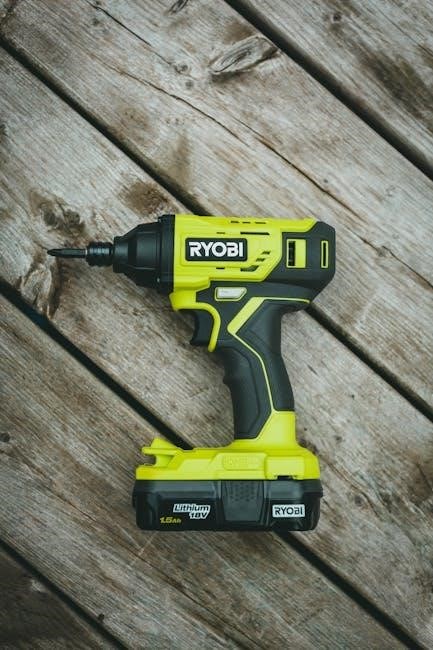
The motor is the power source of your Ryobi line trimmer, converting battery energy into rotational force․ The battery compartment securely houses the Ryobi One+ battery, providing cordless operation․ Accessing the battery compartment usually involves a release button or latch for easy removal and replacement․
Always ensure the battery is fully charged before use and properly seated within the compartment․ Keep the compartment clean and free of debris to maintain optimal performance and prevent potential damage to the battery or motor․
Assembling Your Ryobi Line Trimmer
Begin by attaching the shaft to the motor head, aligning the connection points and ensuring a secure fit – often a twist-lock mechanism․ Next, connect the handle assembly to the shaft, adjusting for comfortable ergonomics․ Finally, carefully attach the trimmer head, verifying it’s firmly locked into place before operation․
Double-check all connections before use․ A loose assembly can lead to instability and potential safety hazards․ Refer to the diagrams in this manual for visual guidance during the assembly process, ensuring correct component alignment․
Loading the Line
Ryobi line trimmers utilize both automatic feed and manual feed head systems․ For automatic feed, locate the line release button and follow the winding instructions printed on the trimmer head․ With manual feed systems, disassembly is required to wind the line directly onto the spool, ensuring even distribution․
Always use the correct line diameter specified in your manual․ Improper line size can cause feeding issues or damage the trimmer head․ After loading, reassemble the head securely, confirming the line feeds freely before operation․
Automatic Feed Head Systems
Ryobi’s automatic feed heads simplify line replacement․ Locate the line release button – typically a small tab – and press it while firmly tapping the trimmer head on the ground․ This releases pre-wound line, extending it for trimming․ Ensure the line is loaded correctly, following the directional arrows on the spool․
If the line doesn’t advance, check for obstructions or rewind the spool․ Some models require a full spool for optimal performance․ Regularly inspect the head for wear and tear, and consult your operator’s manual for specific model instructions․
Manual Feed Head Systems
Ryobi manual feed heads require disassembling the trimmer head to access the spool․ Carefully remove the head cover, noting the line exit points․ Unwind the old line and replace it with new line of the correct diameter, winding it tightly and evenly onto the spool, following the directional arrows․
Reassemble the head, ensuring the line is properly threaded through the eyelets․ Manual systems demand more effort but offer greater control over line length․ Regularly check the winding for tightness to prevent jams and ensure consistent line feed during operation․
Operating Instructions
Before starting, ensure the trimmer head is correctly assembled and the line is securely loaded․ Always wear appropriate safety gear, including eye protection․ To start, insert the battery and depress the trigger lock-out, then squeeze the trigger to initiate operation․
Maintain a firm grip on the trimmer and guide it smoothly across the trimming area․ Avoid forcing the line against tough vegetation․ Release the trigger to immediately stop the trimmer․ Regularly inspect the line for wear and replace as needed for optimal cutting performance and safety․
Starting and Stopping the Trimmer
To begin, verify the battery is fully charged and correctly inserted into the compartment․ Depress the safety lock-out button, preventing accidental activation․ Subsequently, firmly squeeze the trigger to initiate the motor and begin trimming․ Release the trigger immediately to halt operation; the motor will stop quickly․
Always ensure a secure grip during operation․ If the trimmer fails to start, check the battery connection and safety lock-out․ Never attempt to modify the starting mechanism․ Proper starting and stopping procedures ensure safe and efficient trimming․
Proper Trimming Techniques
Maintain a consistent walking speed and a slight angle when trimming, utilizing a sweeping motion for optimal results․ Avoid pressing the trimmer head directly into dense vegetation; instead, use an edging motion․ Keep the line trimmer away from your body and other individuals․
For thicker weeds, gradually approach them, rather than attempting a single, forceful cut․ Regularly inspect the trimming area for obstructions․ Proper technique extends trimmer life and ensures a neatly maintained landscape, avoiding unnecessary wear and tear․
Maintenance and Care
Regular maintenance is crucial for extending the life of your Ryobi line trimmer․ After each use, inspect the trimmer head for debris and clean it thoroughly․ Check the shaft and handle assembly for any signs of damage or wear․ Ensure the motor and battery compartment are free from dirt and obstructions․
Proper care prevents malfunctions and ensures optimal performance; Always refer to the operator’s manual for specific cleaning and maintenance recommendations related to your Ryobi model, safeguarding its functionality․
Cleaning the Trimmer
After each use, disconnect the battery before cleaning your Ryobi line trimmer․ Remove any grass clippings or debris from the trimmer head, shaft, and handle using a soft brush or cloth․ Avoid using water directly on the motor or battery compartment; instead, wipe with a damp cloth․
Inspect the air vents for blockages and clear them to ensure proper cooling․ Regularly cleaning prevents overheating and maintains optimal performance․ Refer to your operator’s manual for specific cleaning instructions tailored to your Ryobi model․
Line Replacement Frequency
The frequency of line replacement on your Ryobi trimmer depends heavily on usage and trimming conditions․ Heavy use in thick weeds will require more frequent changes than light trimming of grass․ Generally, inspect the line after each use and replace it when it becomes worn, broken, or significantly shortened․
A good rule of thumb is to replace the line every few trimming sessions, or whenever you notice a decrease in cutting efficiency․ Regularly replacing the line ensures optimal trimming performance and prevents strain on the motor․
Troubleshooting Common Issues
Encountering issues with your Ryobi line trimmer is common, but often easily resolved․ Frequent line breaks usually indicate worn line or attempting to cut through excessively thick vegetation – switch to heavier gauge line or clear debris first․ If the trimmer won’t start, ensure the battery is fully charged and properly inserted․
Check for obstructions in the trimmer head․ A clogged head prevents line advancement․ Refer to the manual for disassembly and cleaning instructions․ If problems persist, consult the warranty information or seek professional assistance․
Trimmer Line Breaks Frequently
If your Ryobi trimmer line breaks repeatedly during use, several factors could be at play․ Attempting to cut through overly thick or woody stems is a primary cause; reduce the material size or use a heavier gauge line․ Inspect the trimmer head for damage or rough edges that might contribute to line fraying and breakage․
Ensure the line is properly loaded and feeding smoothly․ A poorly wound spool can lead to inconsistent line delivery and increased breakage․ Consider the environmental conditions; brittle line is more prone to snapping in cold weather․
Trimmer Won’t Start
If your Ryobi line trimmer fails to start, first verify the battery is fully charged and correctly inserted into the tool․ Check for any obstructions in the trimmer head that might prevent the motor from engaging․ Ensure the safety lock-out button is fully depressed while simultaneously squeezing the trigger․
Inspect the battery terminals for corrosion or debris, cleaning them if necessary․ A faulty battery or charger could also be the issue; test with a known working battery․ If problems persist, consult the operator’s manual for specific troubleshooting steps․
Battery and Charger Information
Ryobi One+ batteries power your line trimmer, offering cordless convenience․ Always use a Ryobi-approved charger to ensure optimal battery life and performance․ Charging times vary depending on the battery’s capacity and level of depletion․ Refer to your operator’s manual for complete charging instructions specific to your battery and charger models․
Store batteries in a cool, dry place, away from direct sunlight and extreme temperatures․ Avoid storing fully discharged batteries for extended periods, as this can damage them․ Proper battery care maximizes runtime and extends the tool’s usability․
Charging Instructions
To charge your Ryobi One+ battery, insert it securely into the designated charger․ The charger’s indicator light will illuminate, signaling the charging process has begun․ A solid green light typically indicates a fully charged battery, while a blinking light suggests charging is in progress․
Avoid interrupting the charging cycle until the battery is fully charged for optimal performance․ Never attempt to disassemble or modify the charger․ Always refer to your specific battery and charger model’s operator’s manual for detailed instructions and safety precautions․
Battery Storage Guidelines
For prolonged battery life, store your Ryobi One+ batteries in a cool, dry place, away from direct sunlight and extreme temperatures․ Ideally, store batteries with approximately 40-60% charge․ Avoid storing fully discharged batteries for extended periods, as this can cause irreversible damage․
It’s recommended to periodically check the battery’s charge level during long-term storage and top it off if necessary․ Keep batteries out of reach of children and ensure proper ventilation during storage to prevent potential hazards․ Refer to your battery’s manual for specifics․
Understanding Warranty Information
Ryobi tools are backed by a comprehensive warranty, typically covering defects in materials and workmanship for a specified period․ The standard warranty duration varies depending on the tool model and region, so carefully review your purchase documentation․
Warranty coverage generally excludes damage resulting from misuse, abuse, normal wear and tear, or unauthorized repairs․ To make a warranty claim, retain your proof of purchase and contact Ryobi customer support or an authorized service center․ Registering your tool online can streamline the claim process․
Ryobi One+ Compatibility

The Ryobi One+ system is a cornerstone of their cordless tool lineup, offering exceptional versatility․ Your Ryobi line trimmer is likely part of this system, meaning it utilizes the same rechargeable batteries and chargers as numerous other Ryobi tools․
This compatibility provides significant cost savings, as you only need to purchase batteries and a charger once for multiple tools․ Ensure your battery voltage matches the trimmer’s requirements for optimal performance․ Explore the extensive Ryobi One+ range to expand your toolkit efficiently!
Finding Additional Resources

Need further assistance with your Ryobi line trimmer? Ryobi provides a wealth of support materials online․ Start by visiting the official Ryobi website to access downloadable manuals and frequently asked questions tailored to your specific model․
For visual learners, YouTube is an excellent resource, hosting numerous tutorials demonstrating assembly, line loading, and troubleshooting techniques․ Searching “Ryobi line trimmer” will yield helpful videos․ Don’t hesitate to leverage these resources to maximize your trimmer’s performance and address any concerns․
Online Manuals and Support
Ryobi’s official website is your primary hub for accessing comprehensive online manuals specific to your line trimmer model – including the 105R, 132R, and 137R․ These digital resources offer detailed diagrams, safety guidelines, and operational instructions․
Beyond downloadable PDFs, Ryobi’s support section provides troubleshooting guides and answers to frequently asked questions․ You can also submit inquiries directly to their customer support team for personalized assistance․ Utilizing these online tools ensures you have the information needed for optimal trimmer performance and maintenance․
YouTube Tutorials
Numerous YouTube channels offer visual guides for Ryobi line trimmer assembly, line loading, and basic maintenance․ These tutorials demonstrate procedures like replacing trimmer line – often a task perceived as complex – in a clear, step-by-step manner․
Search for videos specifically addressing your trimmer model for the most accurate instructions․ Many creators showcase techniques for both automatic and manual feed head systems․ These resources complement the official Ryobi manuals, providing a dynamic learning experience and helping you quickly resolve common issues with your electric trimmer․
Disposal and Recycling
Responsible disposal of your Ryobi line trimmer and its components is crucial for environmental protection․ Do not dispose of the trimmer, battery packs, or charger in regular household waste․ Instead, check with your local waste management authorities for designated e-waste recycling facilities․

Ryobi encourages users to participate in battery recycling programs to minimize environmental impact․ Proper disposal ensures valuable materials are recovered and hazardous substances are handled safely, adhering to environmental regulations and promoting sustainability․ Always follow local guidelines for electronic waste disposal․
Frequently Asked Questions (FAQ)
Q: How often should I replace the trimmer line? A: Line replacement frequency depends on usage and trimming conditions; inspect regularly and replace when worn or broken․ Q: Why won’t my trimmer start? A: Ensure the battery is fully charged and properly inserted․ Check for obstructions in the trimmer head․
Q: Where can I find additional support? A: Visit the Ryobi website for online manuals, support articles, and YouTube tutorials․ Q: Is my Ryobi trimmer compatible with other One+ tools? A: Yes, Ryobi One+ tools share the same battery platform for versatile use․