warm living infrared heater manual
Warm Living Infrared Heaters offer efficient‚ targeted warmth‚ differing from traditional heating methods; These heaters utilize infrared technology to directly warm objects and people‚ providing a comfortable and energy-saving solution.
Infrared heating boasts numerous advantages‚ including faster heating times‚ silent operation‚ and the ability to heat specific areas without wasting energy on entire rooms.
What are Warm Living Infrared Heaters?
Warm Living Infrared Heaters represent a modern approach to space heating‚ employing infrared radiation to deliver warmth directly to occupants and objects‚ rather than heating the air. Unlike conventional heaters‚ they don’t rely on convection‚ resulting in quicker heat-up times and reduced energy loss.
These heaters utilize specialized heating elements to generate infrared waves‚ which are then emitted into the room. This technology provides a focused and efficient heating experience‚ making them ideal for spot heating or supplementing existing heating systems. They are designed for both comfort and practicality.
Benefits of Using Infrared Heating
Infrared heating offers a compelling array of advantages. Primarily‚ it provides rapid and efficient warmth‚ directly heating people and objects instead of the surrounding air‚ minimizing wasted energy. This targeted approach results in lower heating costs and a more comfortable environment.
Furthermore‚ infrared heaters operate silently and don’t circulate air‚ reducing dust and allergen distribution. They are also known for their consistent and even heat distribution‚ creating a cozy and inviting atmosphere. This makes them a healthier and more pleasant heating option.

Understanding Your Heater’s Components
Warm Living Infrared Heaters consist of key parts: heating elements‚ a thermostat/control panel for operation‚ and a power cord ensuring safe and reliable electrical connection.
Heating Elements
Warm Living Infrared Heaters utilize specialized heating elements designed to emit infrared radiation. These elements efficiently convert electricity into radiant heat‚ warming objects and people directly‚ unlike conventional heaters that warm air.
The type of element impacts performance; some models feature quartz‚ while others employ carbon fiber for varying heat distribution and lifespan. Maintaining clean heating elements is crucial for optimal output‚ as dust or debris can reduce efficiency. Regular inspection ensures consistent and safe operation.
Thermostat and Control Panel
The control panel is your interface for operating the Warm Living Infrared Heater. It typically features power buttons‚ heat setting adjustments (low‚ medium‚ high)‚ and thermostat controls for precise temperature management.
A faulty thermostat can cause inconsistent heating or prevent the heater from turning on; Some advanced models offer WiFi connectivity and programmable settings‚ accessible through the control panel or a dedicated app‚ enhancing convenience and energy savings.
Power Cord and Connections
The power cord supplies electricity to your Warm Living Infrared Heater. Ensure it’s securely plugged into a grounded outlet matching the heater’s voltage requirements. Regularly check power cables for damage – cracks‚ fraying‚ or exposed wires – which pose an electrical hazard.
Loose connections can interrupt power and cause malfunctions. Never use extension cords with this heater; direct connection to a wall outlet is crucial for safe and efficient operation. Prioritize electrical safety during setup.

Initial Setup and Operation
Begin by carefully unboxing and inspecting your Warm Living Infrared Heater for any damage. Proper placement and secure mounting are vital for optimal performance and safety.
Unboxing and Inspection
Carefully remove the Warm Living Infrared Heater from its packaging‚ ensuring all packing materials are accounted for. Inspect the unit thoroughly for any visible signs of damage incurred during shipping‚ such as dents‚ scratches‚ or broken components. Verify that all included accessories – power cord‚ mounting hardware‚ and this manual – are present.
If any damage is detected‚ do not attempt to operate the heater. Immediately contact the manufacturer or retailer for assistance and potential replacement. Retain all original packaging materials for potential return or warranty claims. A detailed inspection now prevents issues later.
Placement and Mounting Guidelines
Optimal placement ensures efficient heating and safety. Maintain clearances of at least 3 feet from flammable materials‚ furniture‚ and walls. For wall mounting‚ utilize the provided hardware and ensure secure attachment to a structural element capable of supporting the heater’s weight.
Avoid positioning the heater where it could be easily bumped or obstructed. When used for asphalt repair‚ position directly over the affected area‚ maintaining a safe distance as specified in the ‘Asphalt Repair Considerations’ section.
Powering On and Basic Controls
To power on‚ plug the heater into a grounded outlet. The control panel allows adjustment of heat settings – typically low‚ medium‚ and high. Some models feature programmable thermostats or WiFi connectivity for remote control. Ensure the power cord is undamaged before each use‚ checking for any fraying or exposed wires.
Initial operation should begin with a lower setting‚ gradually increasing as needed. Refer to the thermostat section for detailed instructions on temperature adjustments and settings.

Safety Precautions
Always prioritize safety when using your heater. Avoid self-repair due to electric shock risks. Maintain clearances and heed all general and electrical safety warnings provided.
General Safety Warnings
Carefully read all instructions before operating your Warm Living Infrared Heater. This appliance is designed for indoor use only; never use it outdoors or in damp environments. Keep flammable materials‚ such as furniture and curtains‚ a safe distance away from the heater’s operating area.
Never leave the heater unattended while in operation. Supervise children and pets closely when the heater is on. Do not cover the heater‚ as this could create a fire hazard. Always unplug the heater when not in use and allow it to cool completely before storing.
Electrical Safety
Ensure your outlet voltage matches the heater’s specifications. Never operate the heater with a damaged cord or plug. Do not attempt to repair the heater yourself; contact a qualified technician for any electrical issues. Avoid using extension cords‚ as they can overheat and pose a fire risk.
Always unplug the heater before cleaning or performing any maintenance. Risk of electric shock – do not open or disassemble the heater. If the heater experiences an electrical malfunction‚ immediately disconnect it from the power source and seek professional assistance.
Surface Temperature Considerations
Infrared heaters operate at high surface temperatures to effectively radiate heat. Maintain a safe distance from the heater to avoid accidental burns. The heater may get hot during operation; exercise caution‚ especially around children and pets. Ensure flammable materials are kept well clear of the heater’s operating area.
Regularly monitor the surface temperature using an infrared thermometer to ensure it remains within safe operating limits (up to 500°F). Avoid touching the heater surface while it’s on or shortly after it’s been turned off.
Troubleshooting Common Issues
Common problems include the heater failing to power on‚ insufficient heat‚ or thermostat malfunctions. Always check the power supply and connections first before seeking further assistance.
Heater Not Turning On
If your Warm Living Infrared Heater isn’t powering on‚ begin by verifying the power cord is securely plugged into a functioning outlet. Check the circuit breaker or fuse box to ensure the circuit hasn’t tripped or blown. A faulty thermostat could also be the culprit‚ potentially preventing operation or causing overheating; consult the manual.
Do not attempt self-repair; instead‚ contact the manufacturer for guidance. Confirm the unit is receiving power using an infrared thermometer‚ and always prioritize electrical safety when troubleshooting.
Insufficient Heat Output
If your Warm Living Infrared Heater provides inadequate warmth‚ first ensure nothing obstructs the heating elements. Dust or debris accumulation can significantly reduce efficiency; regular cleaning is crucial. Verify the thermostat is set to the desired temperature and isn’t malfunctioning.
Confirm the heater’s wattage is appropriate for the space size. A unit too small will struggle to heat effectively. Check power supply; a weak connection can limit output. If issues persist‚ consult the manufacturer.
Thermostat Malfunctions
A faulty thermostat can cause inconsistent heating or prevent the heater from operating correctly. If the heater doesn’t respond to temperature adjustments‚ or cycles on and off erratically‚ the thermostat is suspect. Attempt a reset‚ if your model allows‚ following the manual’s instructions;
If problems continue‚ consult the heater’s manual or contact the manufacturer for assistance. Do not attempt self-repair‚ as this could void the warranty and pose a safety risk.

Maintenance and Cleaning
Regular maintenance ensures optimal performance and longevity. Keep the heater surface clean‚ check power cables‚ and maintain unobstructed clearances for safe and efficient operation.
Cleaning the Heater Surface
Maintaining a clean heater surface is crucial for efficient operation and safety. Before cleaning‚ always disconnect the heater from the power source and allow it to cool completely. Use a soft‚ dry cloth to gently wipe down the exterior surfaces‚ removing dust and debris. Avoid using abrasive cleaners‚ solvents‚ or excessive moisture‚ as these can damage the heater’s finish or internal components. For stubborn dirt‚ a slightly damp cloth may be used‚ but ensure it is thoroughly dried afterward. Regular cleaning prevents dust buildup‚ which can hinder heat output and potentially create a fire hazard.
Checking Power Cables and Connections
Regularly inspect the power cable for any signs of damage‚ such as cracks‚ fraying‚ or exposed wires. If damage is detected‚ discontinue use immediately and contact the manufacturer. Ensure the power cord is not bent‚ kinked‚ or pinched‚ as this can compromise its integrity. Verify that the power plug is securely inserted into a grounded outlet. Loose connections can cause intermittent operation or overheating. Prior to any maintenance‚ always disconnect the heater from the power source to prevent electrical shock.
Maintaining Clearances
To ensure safe and efficient operation‚ maintain adequate clearances around your Warm Living Infrared Heater. Keep all combustible materials – furniture‚ curtains‚ papers – at least three feet away from the front and sides of the heater. Do not obstruct the heater’s air intake or exhaust vents. Restricted airflow can lead to overheating and potential fire hazards. Regularly check the area around the heater for accumulated dust or debris‚ removing it promptly to maintain optimal performance and safety.
Advanced Features (If Applicable)
Certain models offer WiFi connectivity for remote control‚ programmable thermostat settings for customized heating schedules‚ and convenient operation via a dedicated remote control.
WiFi Connectivity and Control
Enable smart heating by connecting your Warm Living Infrared Heater to your home’s WiFi network. This allows control via a dedicated mobile app‚ offering convenient adjustments from anywhere with an internet connection.
Through the app‚ you can power the heater on/off‚ adjust temperature settings‚ and create customized heating schedules to optimize comfort and energy savings. Ensure a stable WiFi signal for reliable performance.
Follow the in-app instructions for initial setup and pairing with your heater; detailed guidance is also available in the full user manual.
Programmable Thermostat Settings
Maximize comfort and efficiency with the programmable thermostat features of your Warm Living Infrared Heater. Set custom heating schedules tailored to your daily routine‚ ensuring warmth when you need it and energy savings when you don’t.
The control panel allows you to define different temperature settings for various times of the day and days of the week. Explore options for weekday/weekend schedules or create unique profiles for specific activities.
Refer to the manual for detailed instructions on programming the thermostat and utilizing its advanced scheduling capabilities.
Remote Control Operation
Enjoy convenient control of your Warm Living Infrared Heater from anywhere in the room with the included remote control. Adjust temperature settings‚ power the heater on or off‚ and select heating modes without leaving your seat.
The remote features intuitive buttons for easy operation. Ensure the remote is aimed directly at the heater’s receiver for optimal performance. Replace batteries as needed to maintain functionality.
Consult the manual for a detailed diagram of the remote control’s buttons and their corresponding functions.
Repair and Service
Do not attempt to repair the heater yourself due to electric shock risks. Contact the manufacturer for qualified service or warranty assistance immediately.
Do Not Attempt Self-Repair
Attempting to disassemble or repair your Warm Living Infrared Heater yourself is extremely dangerous and voids the warranty. These heaters contain complex electrical components that pose a significant risk of electric shock‚ even when the unit is unplugged.
Improper repairs can also lead to fire hazards or damage the heater beyond usability. Always contact the manufacturer or a qualified technician for any service needs. Prioritize your safety and adhere to the manufacturer’s guidelines for maintaining the heater’s functionality and longevity.
Contacting the Manufacturer
For repair requests‚ warranty claims‚ or technical support regarding your Warm Living Infrared Heater‚ directly contacting the manufacturer is crucial. Locate the official contact information – typically a phone number‚ email address‚ or website – within your heater’s manual or on the company’s official website.
Prepare your heater’s model number and purchase date when reaching out to expedite the process. Detailed descriptions of the issue will also help the support team diagnose and resolve your concern efficiently.
Warranty Information
Your Warm Living Infrared Heater is covered by a limited warranty against defects in materials and workmanship. The warranty period‚ typically one year from the date of purchase‚ details the extent of coverage and any exclusions. Carefully review the warranty details in your manual.
To make a warranty claim‚ retain your proof of purchase and contact the manufacturer following the instructions provided. Unauthorized repairs or modifications may void the warranty‚ so always seek authorized service.

Temperature Readings and Monitoring
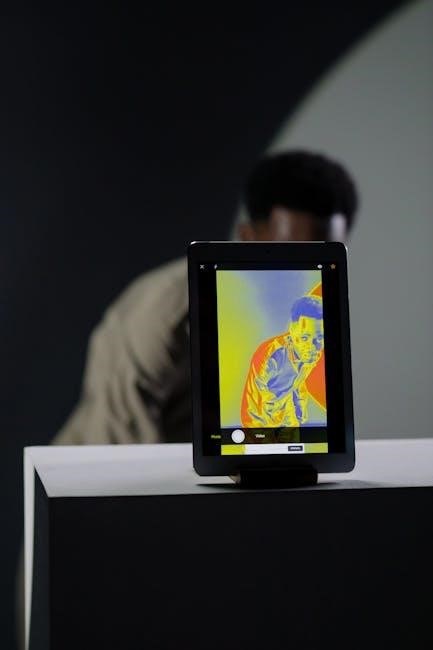
Regularly monitor surface temperatures using an infrared thermometer‚ ensuring readings stay within the optimal range of 500°F for safe and efficient operation.
Using an Infrared Thermometer
To accurately assess your Warm Living Infrared Heater’s performance‚ utilize an infrared thermometer capable of measuring up to 500°F. Direct the thermometer towards the heater’s surface‚ maintaining a consistent distance as recommended by the thermometer’s manual. Take multiple readings across different areas of the heater to identify any potential hot spots or inconsistencies.
Record these readings periodically to track performance and ensure the heater operates within safe temperature limits. This practice aids in proactive maintenance and troubleshooting‚ contributing to the longevity and efficiency of your heating system.
Optimal Surface Temperature Ranges
Generally‚ Warm Living Infrared Heaters should maintain a surface temperature within a safe and effective range. While specific models vary‚ a typical operating temperature falls between 150°F and 300°F (65°C ‒ 150°C). Temperatures exceeding 300°F warrant immediate investigation and potential shutdown.
Consistent monitoring with an infrared thermometer‚ as previously described‚ is crucial. Maintaining these ranges ensures efficient heating without posing a burn risk‚ maximizing comfort and safety for all users. Refer to your heater’s specific manual for precise temperature guidelines.

Asphalt Repair Considerations (Related to Heater Use)
For asphalt work‚ prepare the repair zone by removing debris. Position the heater to evenly warm the area‚ ensuring proper adhesion of new asphalt materials.
Preparing the Repair Zone
Thorough preparation is crucial for successful asphalt repairs utilizing infrared heating. Begin by meticulously removing all weeds‚ dirt‚ and loose debris from the damaged area. This ensures optimal adhesion of the new asphalt material;
Next‚ add a supplemental layer of asphalt to the repair zone‚ carefully leveling it to create a consistently even surface. This foundational step guarantees a smooth and durable final result‚ maximizing the heater’s effectiveness and the longevity of the repair.
Positioning the Heater for Asphalt Work
Strategic heater placement is paramount when performing asphalt repairs. Carefully position the Warm Living Infrared Heater directly over the prepared repair zone‚ ensuring complete and even coverage of the damaged area.
Maintain a safe distance as specified in the heater’s manual to prevent overheating or damage to surrounding surfaces. Proper positioning maximizes heat transfer‚ efficiently softening the existing asphalt for seamless blending with the new material‚ resulting in a professional-quality repair.

Understanding “Warm Welcome” Usage
“Warm welcome” is a common idiom expressing friendly reception; however‚ it’s grammatically distinct from heater operation and isn’t relevant to this manual’s instructions.
Grammatical Considerations of “Warm Welcome”
The phrase “warm welcome” functions as a noun phrase‚ representing a kind gesture of hospitality. “Welcome” itself isn’t countable‚ hence no plural form like “welcomes” is used. While “a warm welcome” is standard‚ saying “warmly welcomed” describes how someone is received‚ not the welcome itself.
Avoid self-congratulatory phrasing like “you are warmly welcomed‚” as it sounds awkward. The phrase is about extending hospitality to someone‚ or for new arrivals‚ and has no bearing on infrared heater functionality or operation.
Appropriate Usage in Context
“Warm welcome” is best suited for interpersonal situations‚ expressing friendly reception. For example‚ “A warm welcome to all new users of the Warm Living Infrared Heater!” is appropriate in introductory materials. However‚ its use is entirely contextual and unrelated to the heater’s technical aspects.
Avoid using the phrase within technical instructions or troubleshooting guides. Focus on clear‚ concise language regarding heater operation‚ safety‚ and maintenance. The phrase doesn’t contribute to understanding the device’s functionality or resolving potential issues.

Cold vs. Warm Temperature Variations
Distinguishing temperatures ranges from frigid and very cold to chilly‚ cool‚ and finally‚ warm. Infrared heaters effectively combat cold‚ providing targeted warmth and comfort.
Distinguishing Degrees of Cold
Defining cold involves recognizing a spectrum‚ ranging from mildly chilly to severely frigid. A “chilly” sensation indicates a slight drop in temperature‚ prompting a desire for a sweater. “Cold” suggests a more noticeable temperature decrease‚ requiring warmer clothing.
Very cold implies temperatures nearing or below freezing‚ demanding substantial protection against the elements. Infrared heaters excel at counteracting these varying degrees of cold‚ offering targeted warmth to alleviate discomfort and maintain a comfortable environment‚ regardless of the external temperature.
Distinguishing Degrees of Warmth
Defining warmth encompasses a range from pleasantly mild to comfortably toasty. “Not very warm” suggests a subtle increase in temperature‚ perhaps requiring a lighter layer of clothing. “Warm” indicates a noticeable and agreeable heat‚ promoting relaxation and comfort.
Very warm implies a significant temperature increase‚ often associated with cozy environments. Warm Living Infrared Heaters provide customizable warmth‚ allowing users to precisely select their desired level of comfort‚ effectively addressing varying preferences and needs.